Full Article
about Boimorto
Hide article Read full article
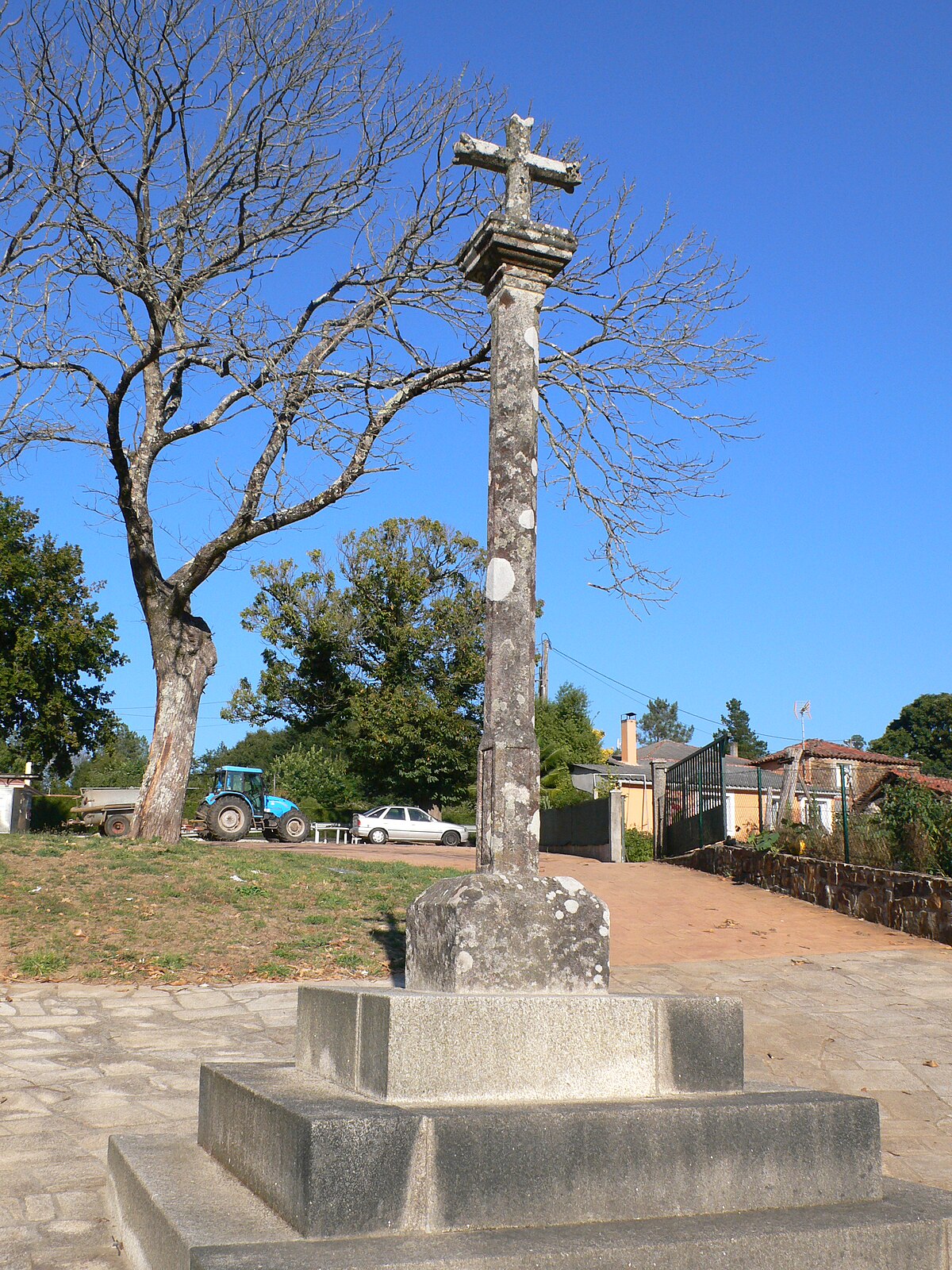
The sun is high enough to cast short, sharp shadows from the stone cross in the square, but the benches are still empty. A tractor’s distant grumble fades down a lane, leaving only the sound of water running in a nearby stone trough. This is the pace of things. Tourism in Boimorto isn’t about a checklist; it’s about slipping into the rhythm of a place where life is organised around parishes, farm tracks, and the slow turn of the agricultural year.
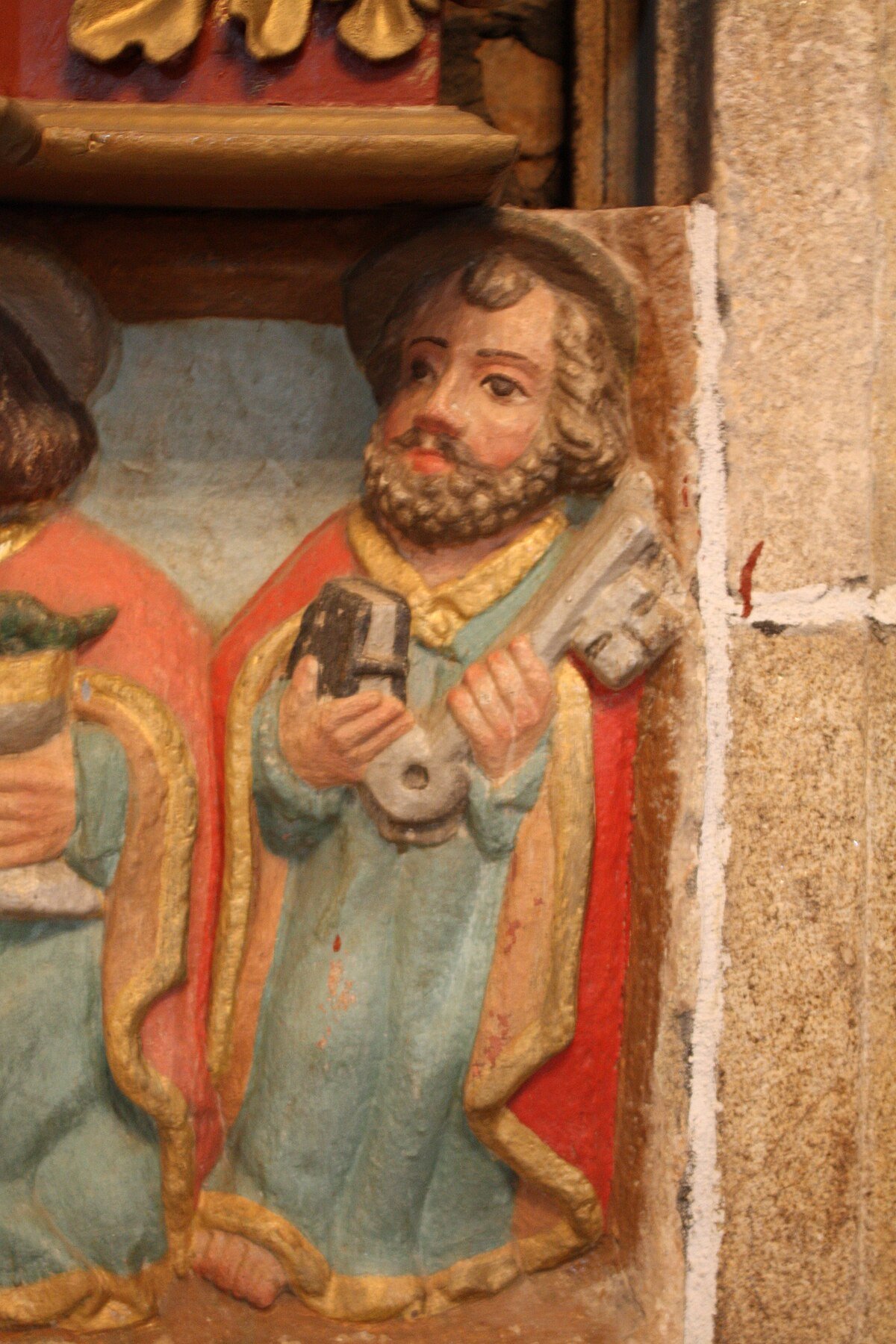
For decades, little has rushed that rhythm. The parish church of Santa María, in Ferreiros, sits solidly, its stonework showing patches of newer repair. Inside, the light through plain windows falls on an unadorned altar. The cruceiros and chapels scattered across the parishes aren’t attractions cordoned off from daily life. You find them where they’ve always been: beside a path, at a crossroads, in the shadow of a working barn.
Light and moisture on the land
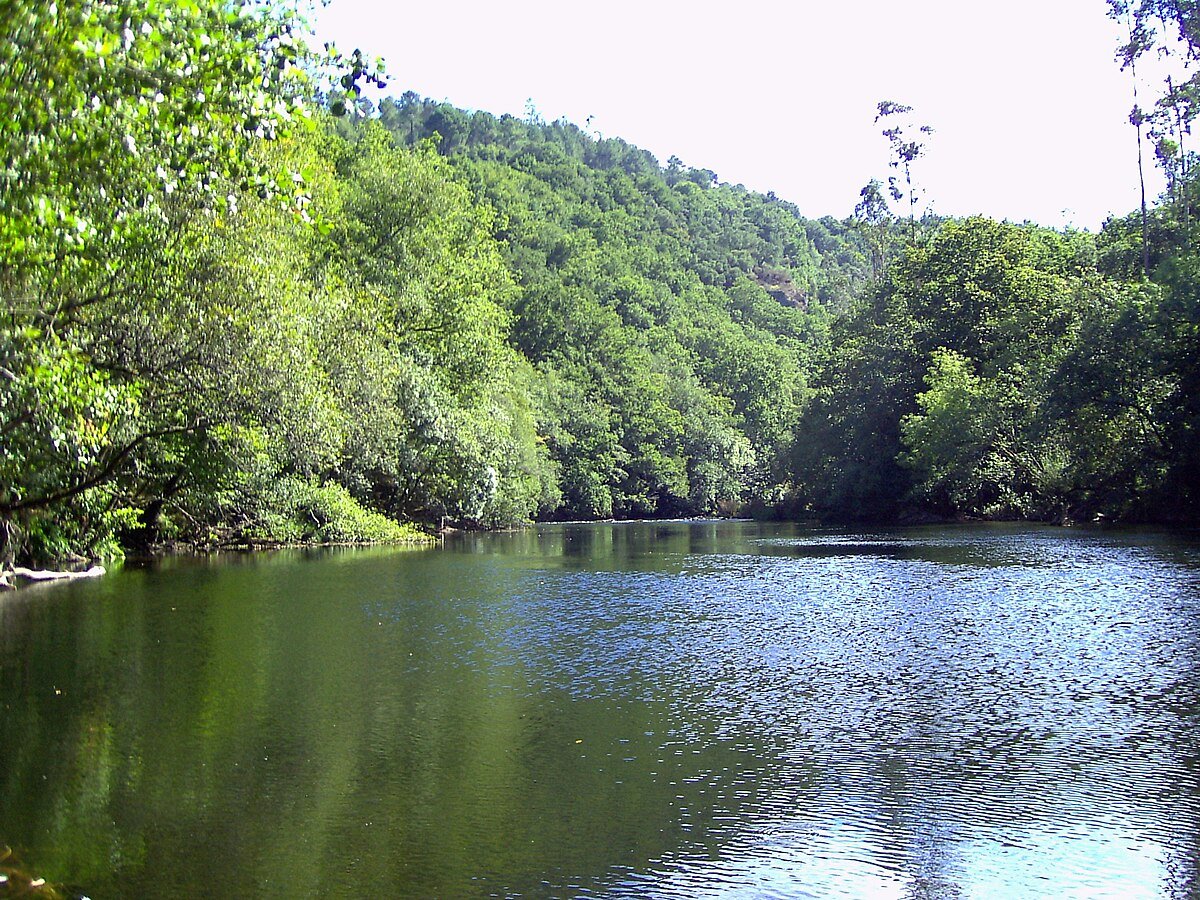
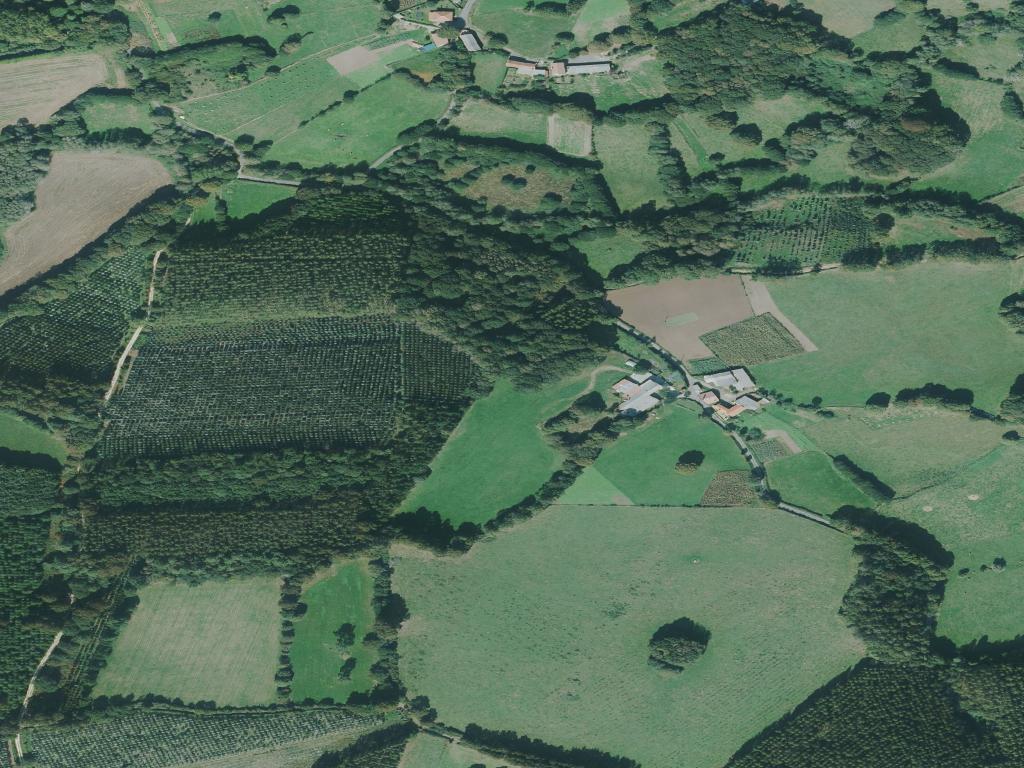
The landscape here is a quiet composition of meadow and soft valley. Scattered oaks and chestnut trees break up the green. In spring, that green is vivid, almost liquid after the rain. By autumn, it retreats into the background, replaced by the ochre of fallen leaves and ploughed earth.
Mist is a frequent visitor, especially in the cooler months. It settles in the low fields at dawn, blurring the lines between pasture and copse until the sun burns it away, revealing slate roofs and granite hórreos suddenly sharp against the sky. These raised granaries on stone pillars are as much a part of the scenery as the fences and the lanes.
Summer light is different—clear and direct. It falls heavily on cut hayfields and turns the stubble in harvested cereal plots a pale gold. By late afternoon, the air often carries the sweet, dusty scent of dried grass.
Moving between parishes
To see how this land fits together, you walk. You connect villages like Rendal or Brates via dirt tracks or quiet local roads. The ground underfoot might be uneven stone, packed earth that turns soft after rain, or gravel. Low walls and wire fences separate meadows where cattle graze.
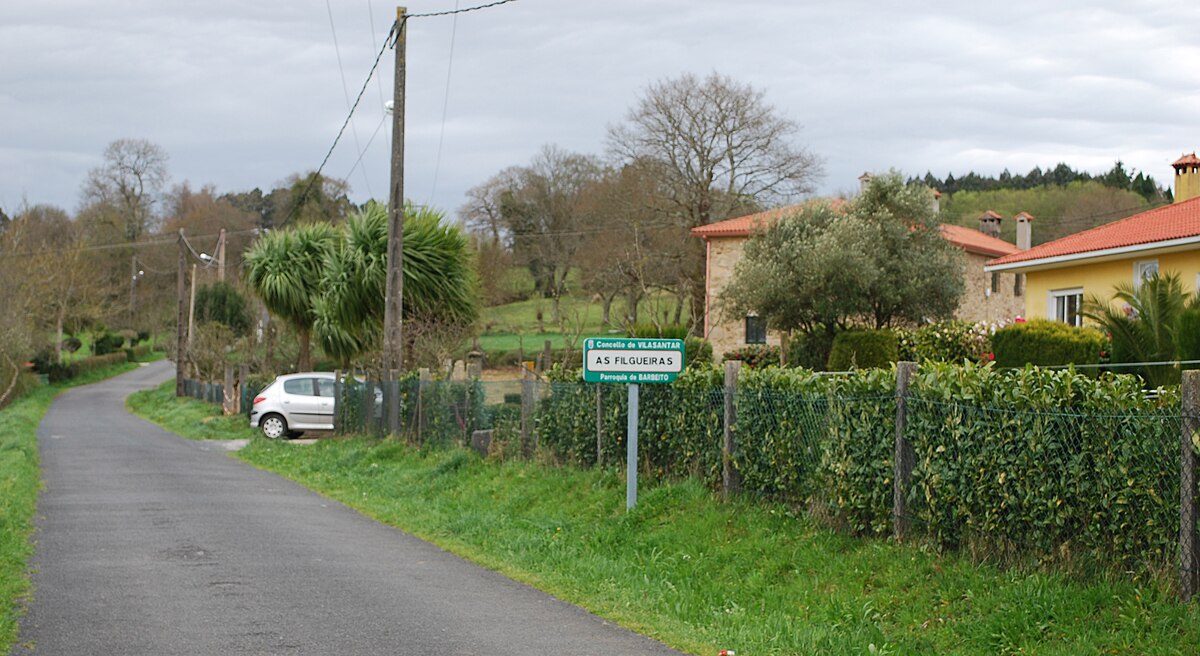
The houses in these settlements often cluster loosely around a fork in the road or an open space that serves as a de facto square. Many still have their hórreo and large wooden gates. You see some facades unchanged for fifty years, right next to others where the stone has been recently pointed and cleaned.
You don’t need a long route. A walk of two or three kilometres will show you the pattern: kitchen gardens behind stone walls, public fountains with iron pumps, and sometimes the moss-covered remains of an old mill where a stream runs.
On two wheels
The network of secondary roads, which see very few cars, invites cycling. Don’t expect dramatic coastal vistas. The terrain rolls with short, steady climbs that ask for a patient pace.
The interest is in the close-up details: a sudden stretch of dense woodland that cools the air, then an open field with sheep; a solitary farmhouse with its hórreo standing sentinel right at the roadside.
What comes from the ground
The link to farming is immediate and obvious. This is dairy country, part of the wider Arzúa region known for its cheese. Depending on the season, you might pass small roadside stalls with honesty boxes for eggs or produce.
The local cooking reflects this directness. Meals in homes and simple taverns are built on veal from nearby pastures, potatoes, greens from personal gardens, and local cheese. The preparations are straightforward—the point is the ingredient itself.
A place of many centres
Don’t look for a single, dominant town square. Boimorto is administratively one municipality but experientially many small points on a map—each parish with its church, its cemetery beside it, its cluster of houses.
A visit often means a short drive from one point to another: from Santa María de Ferreiros to San Xurxo de Boimorto, perhaps. From each, you can stretch your legs, walk around the churchyard, or follow a farm track until it meets another lane.
If you go
Spring and autumn are when the land feels most alive; the light is softer and walking is comfortable. Winter has its own stark beauty, but come prepared for deep mud on paths and tracks after rain—it can make some walks impractical.
Be mindful where you leave your car. Avoid blocking field entrances or farm tracks; they are working routes for tractors. Remember that many meadows and lanes are private property, even without a fence or a sign.
That leads to the most practical advice: wear sturdy shoes with a good grip that can handle wet grass and mud. You’ll encounter both, often on the same short stroll.