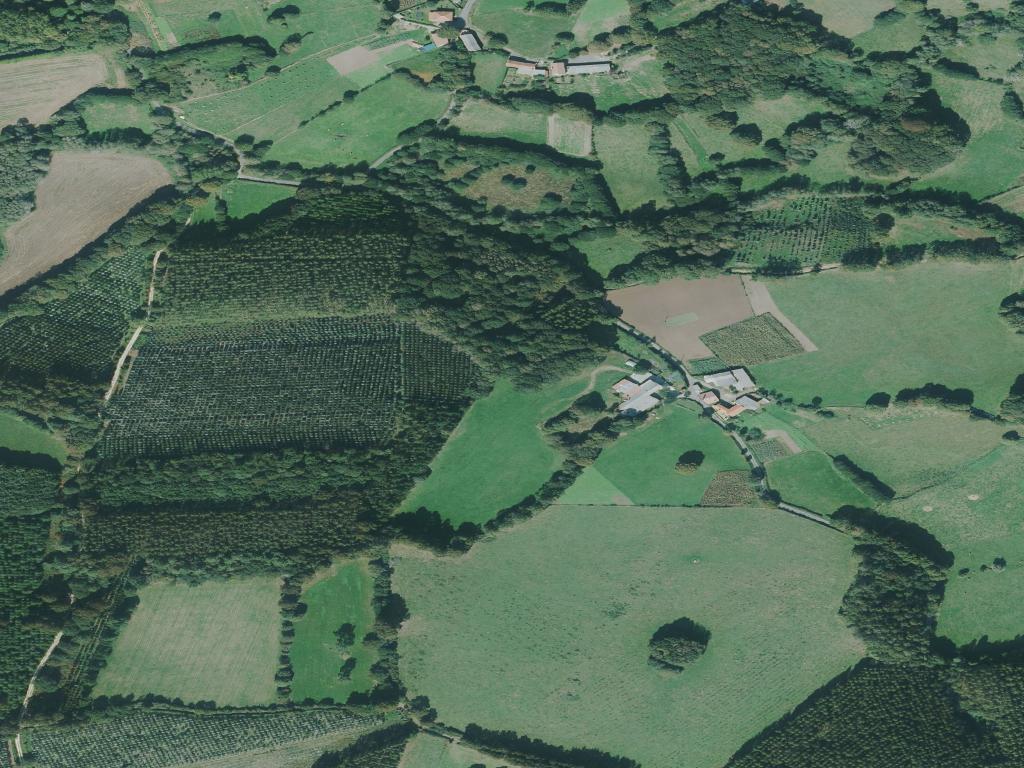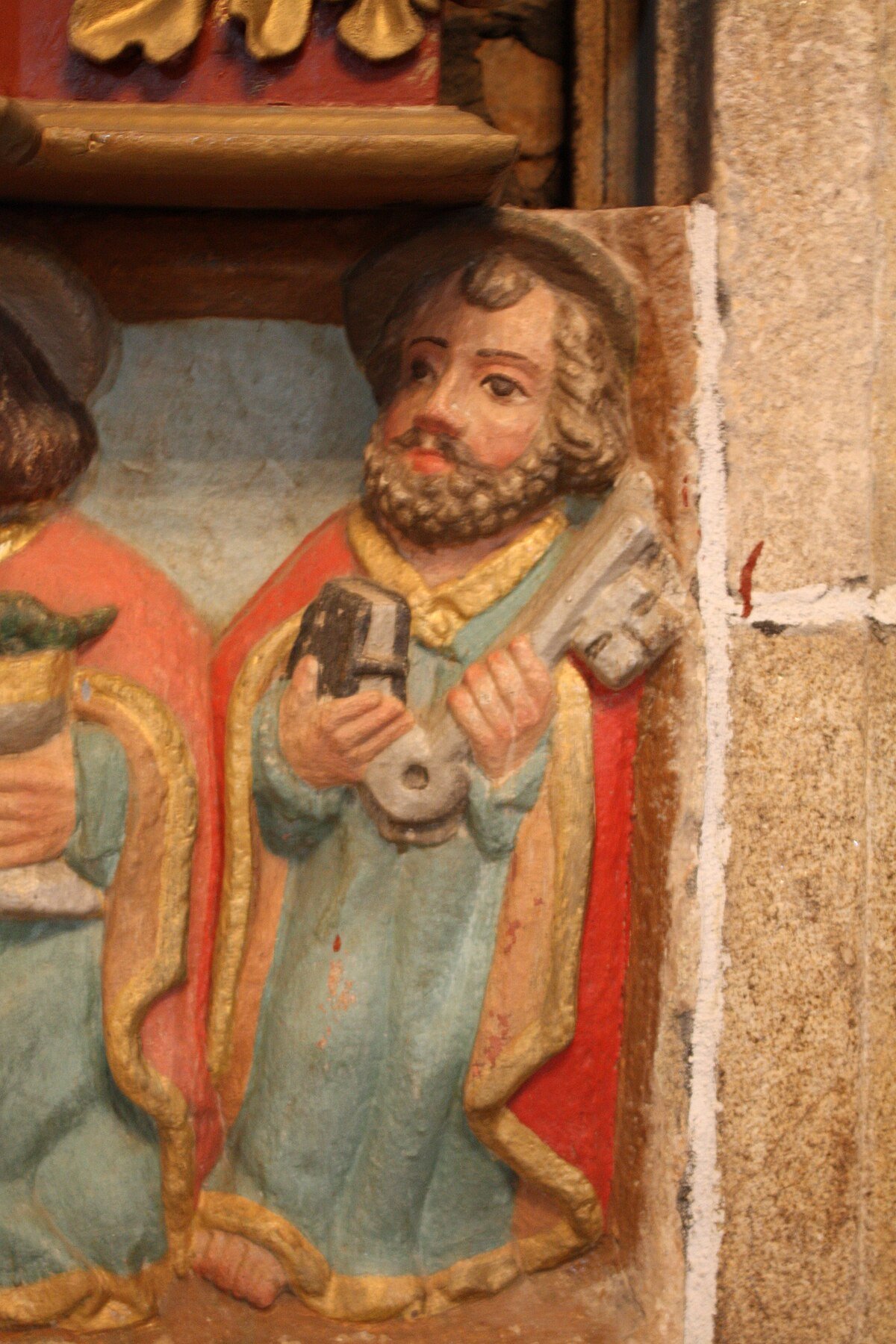
Lalín, Santiso, San Román 01-09.JPG
http://gl.wikipedia.org/w/index.php?title=User:Lameiro · Public domain
Galicia · Magical

Santiso

The cows cross the road at 07:48. Not 07:45, not 08:00—07:48. A dairy farmer in Santiso once explained that his herd has stuck to the same timetabl...

1,430 inhabitants · INE 2025
m Altitude

Why Visit

Best Time to Visit

summer

San Juan Festival Junio y Septiembre

Festivals
& & Traditions

Fecha Junio y Septiembre

Fiesta de San Juan, Fiesta local de Santiso

Las fiestas locales son el momento perfecto para vivir la autenticidad de Santiso.

Full Article
about Santiso

Ocultar artículo Leer artículo completo

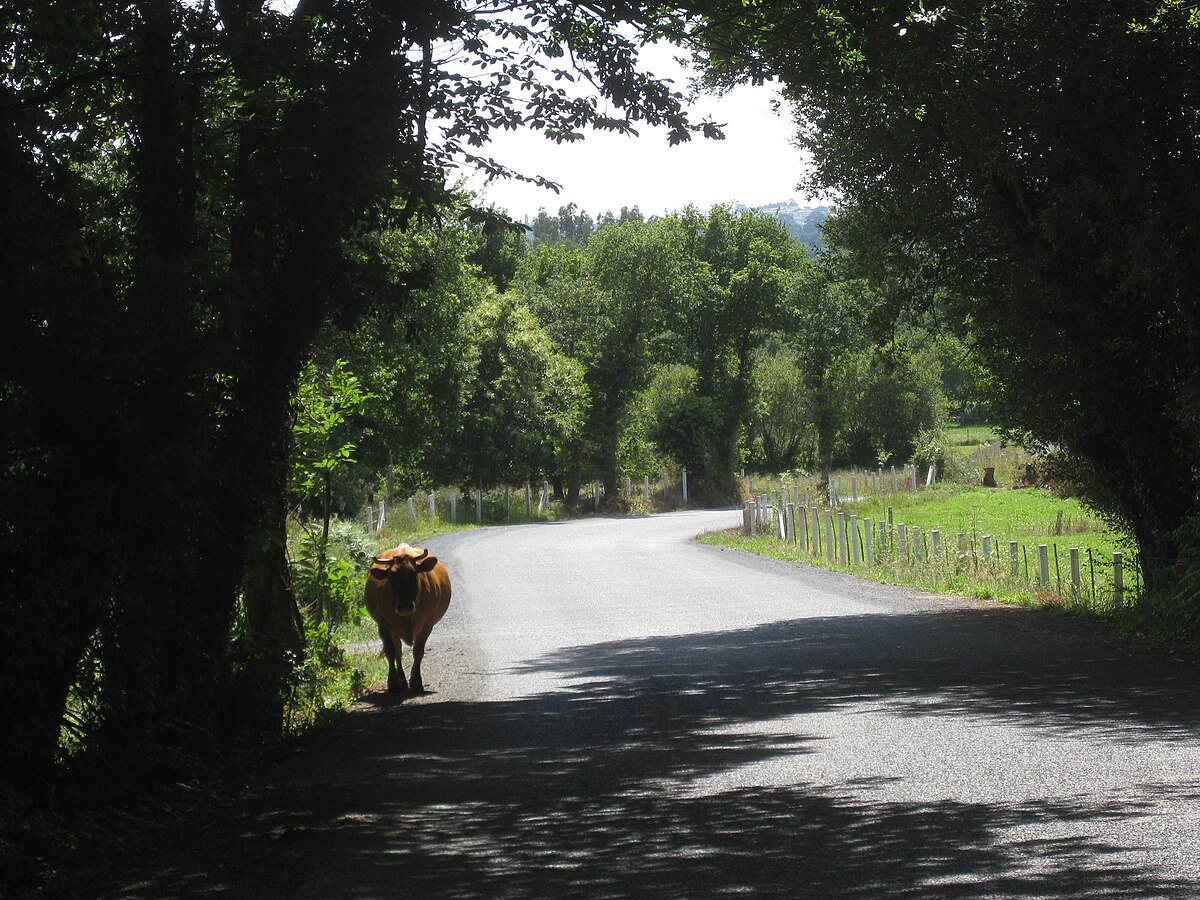
The cows cross the road at 07:48. Not 07:45, not 08:00—07:48. A dairy farmer in Santiso once explained that his herd has stuck to the same timetable since his grandfather's day, and the animals see no reason to update it for passing motorists. If you arrive at that hour on the minor road between Vea and Ferreiros, you wait. Engine off, window down, you listen to the soft clank of neck bells while mist lifts off the surrounding hills. It is the closest thing the municipality has to rush hour.

Santiso sits 42 km inland from Santiago de Compostela, strung across a patchwork of tiny parishes whose stone houses look inwards to vegetable plots rather than outwards to visitors. There is no medieval core to tick off, no Instagram-ready mirador, just 165 km² of working farmland threaded by the Furelos river and a lattice of single-track lanes. The place functions as a pause button on Galicia's northern tourist circuit: the moment you leave the AP-53 motorway the sat-nav gives up trying to pronounce parish names and the speed limit drops to 50 km/h.

The church that refuses to be a monument

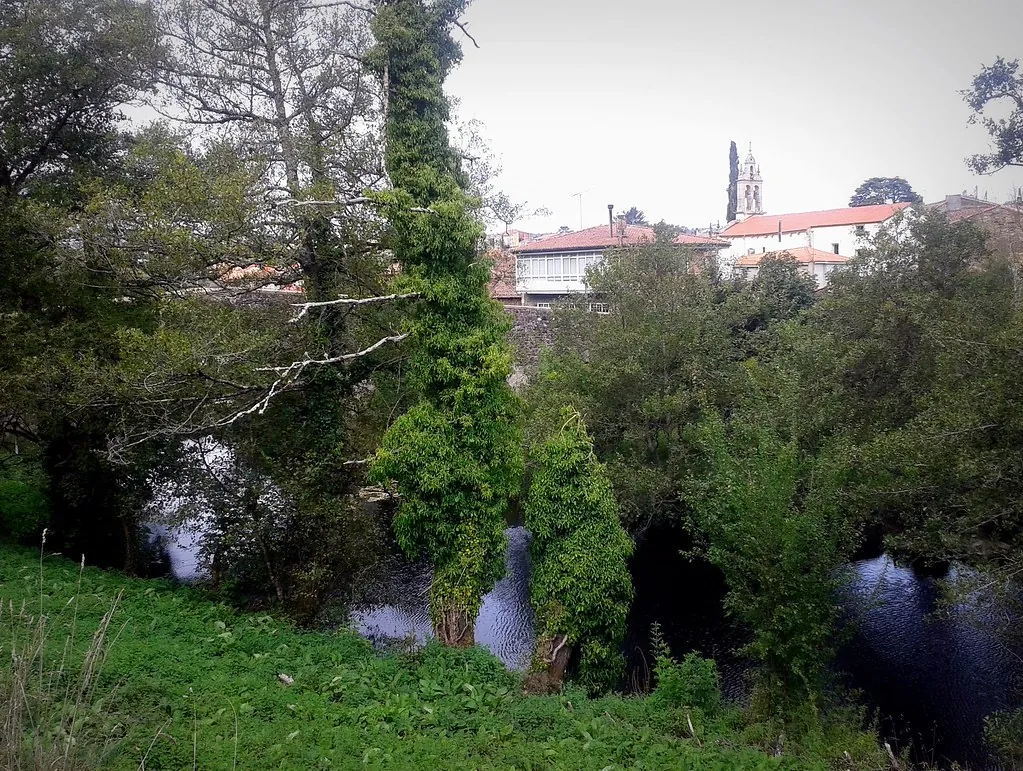
San Martín de Ferreiros stands a few metres from a hay barn whose new Holstein calves greet visitors with the enthusiasm of overgrown Labradors. The church's south doorway is genuinely Romanesque—thick pillars, scalloped capitals—but the rest is a patchwork of later centuries patched again after storms and Civil-War scuffles. Inside, plastic flowers flank a baroque altarpiece painted in ox-blood red. The key hangs from the priest's house opposite; ring and wait. No ticket desk, no interpretation board, just a notice reminding you that Sunday Mass is at 11:30 and the heating comes on only when the thermometer drops below 7 °C. It is heritage reduced to everyday scale, and all the more eloquent for it.

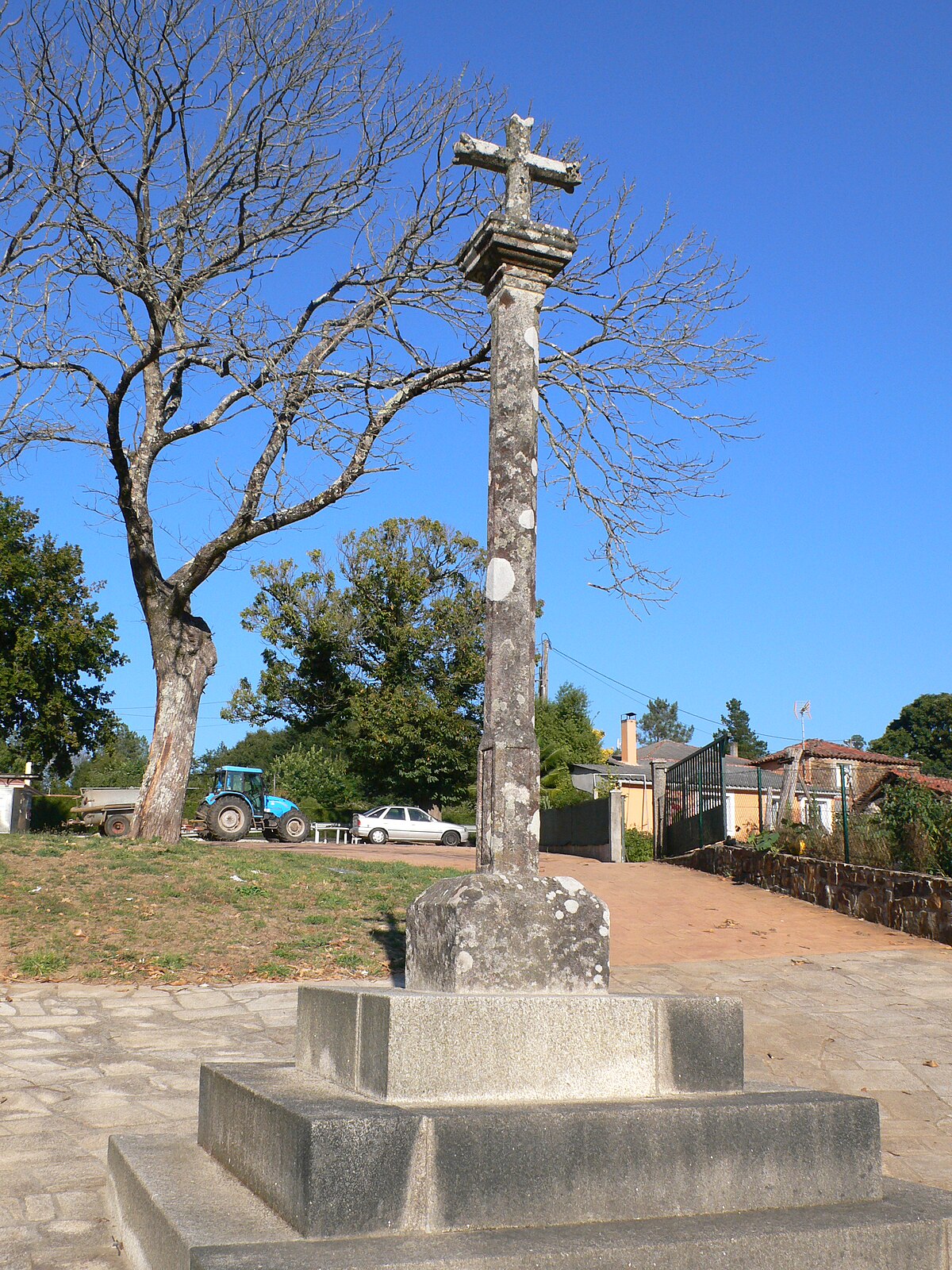
Walk 200 m down the lane and you reach a cruceiro where four roads meet. The stone cross is 18th-century, carved with a skull and crossbones on the reverse to remind locals of their own mortality while they waited for the weekly market. Today the spot is more likely to host a parked tractor and a pile of turnip tops waiting to be fed to cattle. Mortality still features, but now it's measured in silage tonnage.

Following water and stone

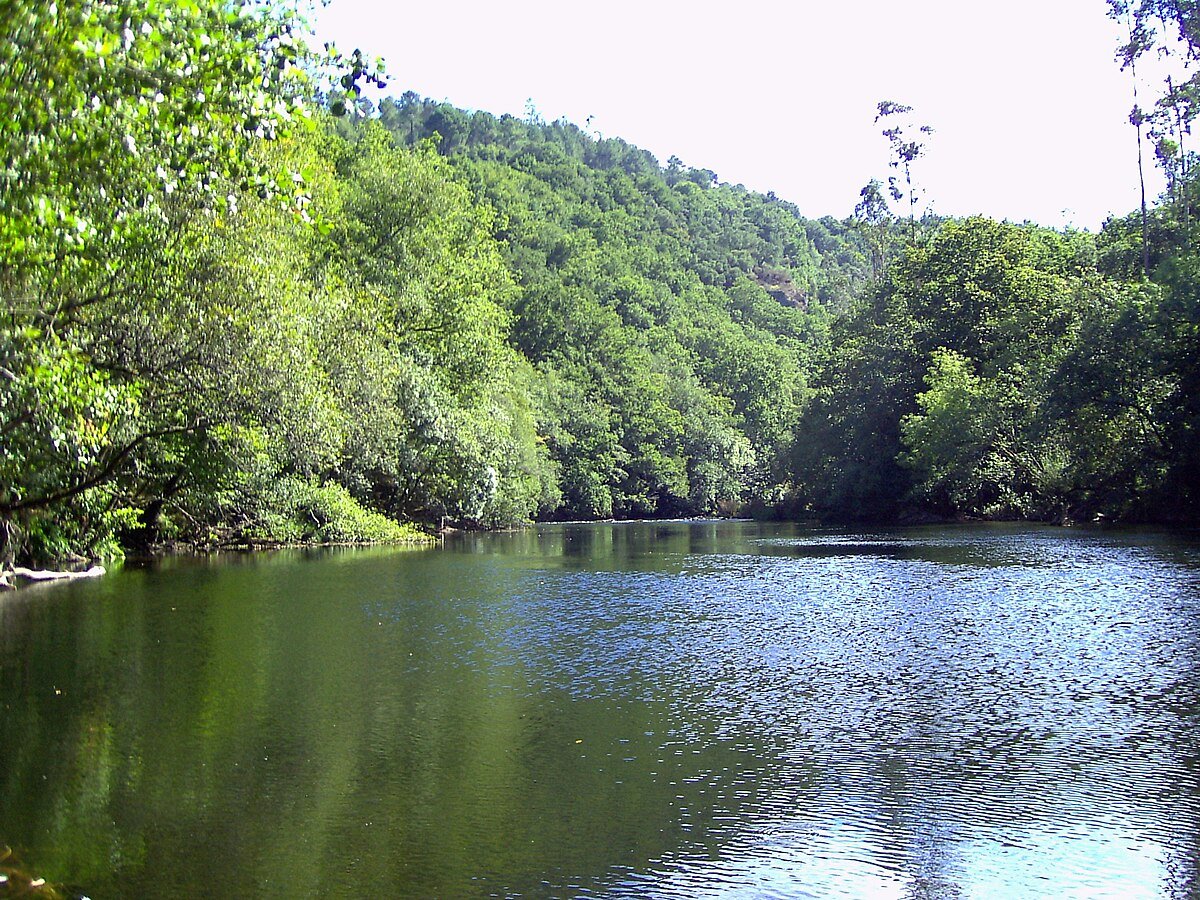
The Furelos is too small for kayaks and too shallow for fishing licences, yet it provides the best walking in the municipality. From the hamlet of Foxo a farm track leads under alder and ash to two abandoned watermills whose moss-covered wheels lie half-submerged. The path is not sign-posted; locals will point you to the start but warn that after heavy rain "las zapatillas quedan hechas esponjas"—your trainers turn into sponges. In late April the river banks are edged with wild garlic and the air smells of damp earth and onion. Kingfishers flash upstream, and if you sit quietly on the concrete ford you'll see them return within five minutes. The round trip to the second mill and back takes 45 minutes, just enough to justify a second coffee.

Upstream, near the N-547 bridge, the river widens into a pool deep enough for summer swimming. Galicians call it "la playa de Santiso," a joke that works only if your sense of beach is flexible. The shingle strip fits four towels and the water temperature peaks at 19 °C in August. Children jump from the parapet while grandparents keep one eye on the current and the other on lunch simmering on disposable barbecues. No lifeguard, no ice-cream van, just the smell of charcoal drifting over the water.

What you eat when nobody's watching

Fogar do Santiso, the roadside restaurant beside the main junction, serves the sort of food Spanish villagers rely on when nobody feels like cooking. Grilled sirloin arrives on a metal platter still spitting butter; chips are the default but staff will swap in lettuce and tomato if you ask before they fire the order. The £12 menú del día includes wine and a wedge of tarta de Santiago that is wheat-free by tradition rather than fashion. Locals start arriving at 14:45 sharp—after the fields have been checked and before the siesta that isn't really a siesta any more. Arrive at 15:30 and the kitchen is mopping the floor.

There is no gastro-reinvention here, but the produce is two food miles away at most. Order caldo gallego in January and the turnip greens could have been cut that morning; the chorizo comes from a pig you may have heard snuffling behind a stone wall on the drive in. Vegetarians are limited to tortilla, salad and the eternal chips, so plan accordingly.

When silence costs extra

Evening entertainment ends early. By 22:00 the only sound is the hum of milk-cooling tanks and the occasional dog reminding the valley who is boss. If you need nightlife, Melide (12 km east) keeps two bars open until 01:00 at weekends; Santiago is 35 minutes by car. Accommodation is thin on the ground: Casa Bartulo, a three-bedroom stone house with pool, books for around £110 a night and is often reserved by Santiago families for school-holiday weeks. The village has no hotel, no albergue, and the solitary ATM runs out of cash on Friday afternoon—Melide's Santander branch is the nearest reliable source.

Camino walkers sometimes expect to sleep in Santiso after the 20 km stage from Sobrado dos Monxes, then discover the municipal hostel never existed. The path continues another 10 km to Arzúa where beds await; stock up on water and a bocadillo in Santiso's single café before pushing on. If your knees refuse, a taxi to Arzúa costs €18 and the driver will WhatsApp his colleague to collect you at the agreed hour—mobile coverage is four bars throughout the parish, even if the cows pretend not to notice.

Seasons, mud and sensible shoes

Spring arrives late this far inland; gorse is in flower by mid-April but night frosts can catch the unwary until May. Bring layers and footwear you don't mind scraping across a gatepost to remove clay. Autumn is golden and quiet, the maize stalks rattling like old newspapers in the wind. Summer brings long light evenings and the chance to swim in the Furelos, but fields turn biscuit-brown and flies gather round livestock. Winter is damp rather than cold—snow lies two days a year on average—but lanes become mud slides and a 4×4 is helpful rather than macho. The council grades the roads after every storm; if your rental Skoda bottoms out, locals will appear with a tow rope and a lecture about ground clearance.

Leaving without ticking anything off

Most visitors pass through Santiso on the way to somewhere grander: Santiago's cathedral, the coast's rias, perhaps a Sunday flight home. They notice green hills, a brief absence of sat-nav signal, then the motorway reappears and the village is forgotten. That is largely the point. Santiso offers no checklist, no souvenir shop, no story taller than the stone walls that frame it. What it does provide is the chance to calibrate your watch to cow time, to walk a river that has not been rebranded as a wellness trail, and to eat lunch opposite farmers who will nod politely even while calculating silage ratios in their heads.

Stay for two hours or stay for a week; the village will not audition. Just remember that at 07:48 tomorrow the cows will cross again, schedule unchanged, indifferent to whether you remained long enough to see it.

Key Facts

Region
Galicia
District
Arzúa
INE Code
15079
Coast
No
Mountain
No
Season
summer

Livability & Services

Key data for living or remote work

2024
ConnectivityFiber + 5G
EducationHigh school & elementary
Housing~5€/m² rent · Affordable
January Climate6.4°C avg
Sources: INE, CNMC, Ministry of Health, AEMET

Planning Your Visit?

Discover more villages in the Arzúa.

View full region →

More villages in Arzúa

Traveler Reviews