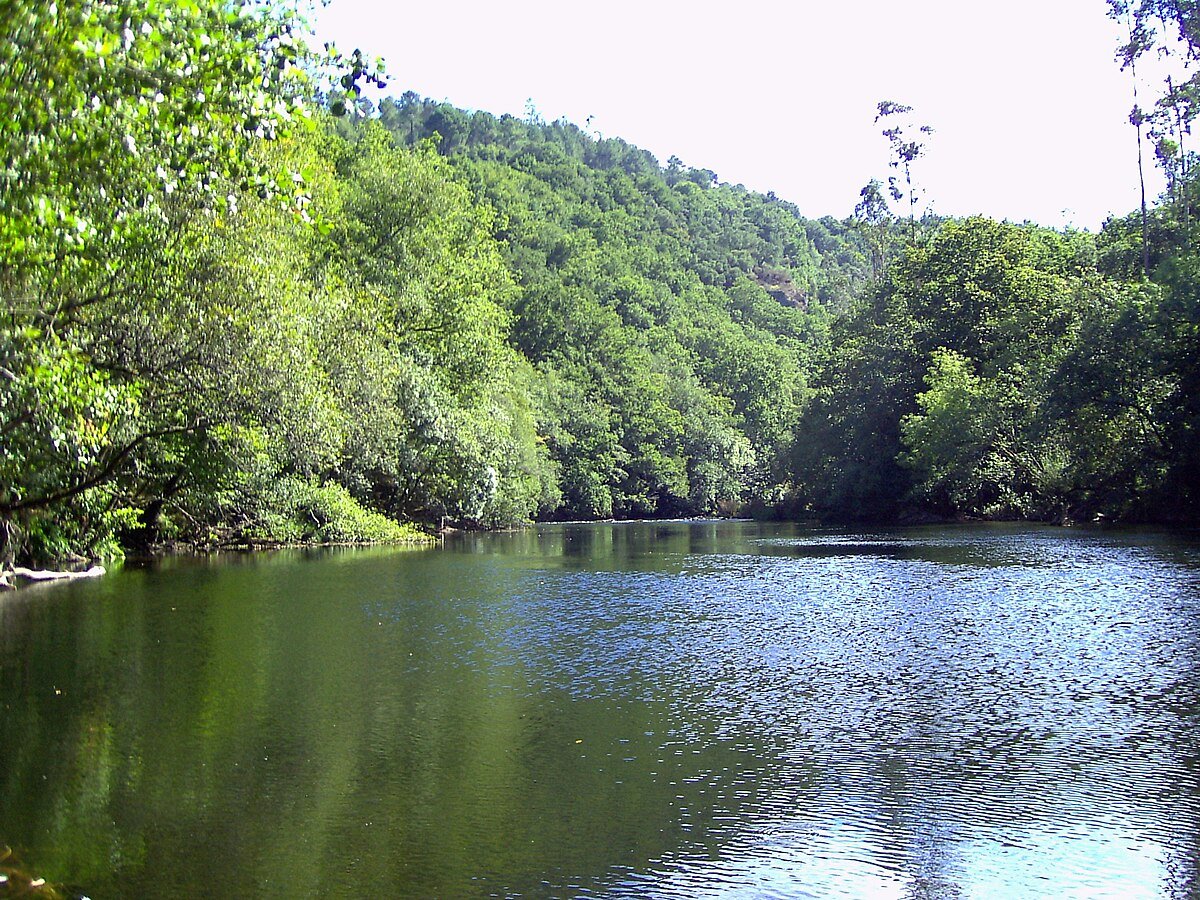
Río Ulla, Boqueixón.jpg
Antonio Pedreira · Public domain
Galicia · Magical

Touro

The road climbs gently out of Arzúa, dairy vans overtaking tractors on the N-547, then suddenly drops into a bowl of hills so quiet you can hear th...

3,342 inhabitants · INE 2025
m Altitude

Why Visit

Best Time to Visit

summer

Full Article
about Touro

Ocultar artículo Leer artículo completo

The road climbs gently out of Arzúa, dairy vans overtaking tractors on the N-547, then suddenly drops into a bowl of hills so quiet you can hear the chestnuts fall. At 420 m above sea level, Touro isn’t dramatic – no jagged peaks or cliff-edge monasteries – but the air is cooler than on the coast, the grass stays green even in August, and every ridge reveals another scatter of stone houses, red roofs damp from the morning mist.

This is not a village that fits neatly on a postcard. The council’s 5,000 inhabitants live in seventeen tiny parishes stretched across 77 km² of smallholdings, eucalyptus and cow pasture. A visitor looking for “the centre” will drive straight past it: the ayuntamiento sits beside a petrol station, the nearest café might be ten minutes away by car, and the weekly market hops between hamlets depending on whose turn it is to host. Navigation is simple once you accept the local rule: if the road narrows and the verges grow wilder, you’re probably still in Touro; if you hit a dual carriageway, you’ve left.

Stone, moss and the occasional stork

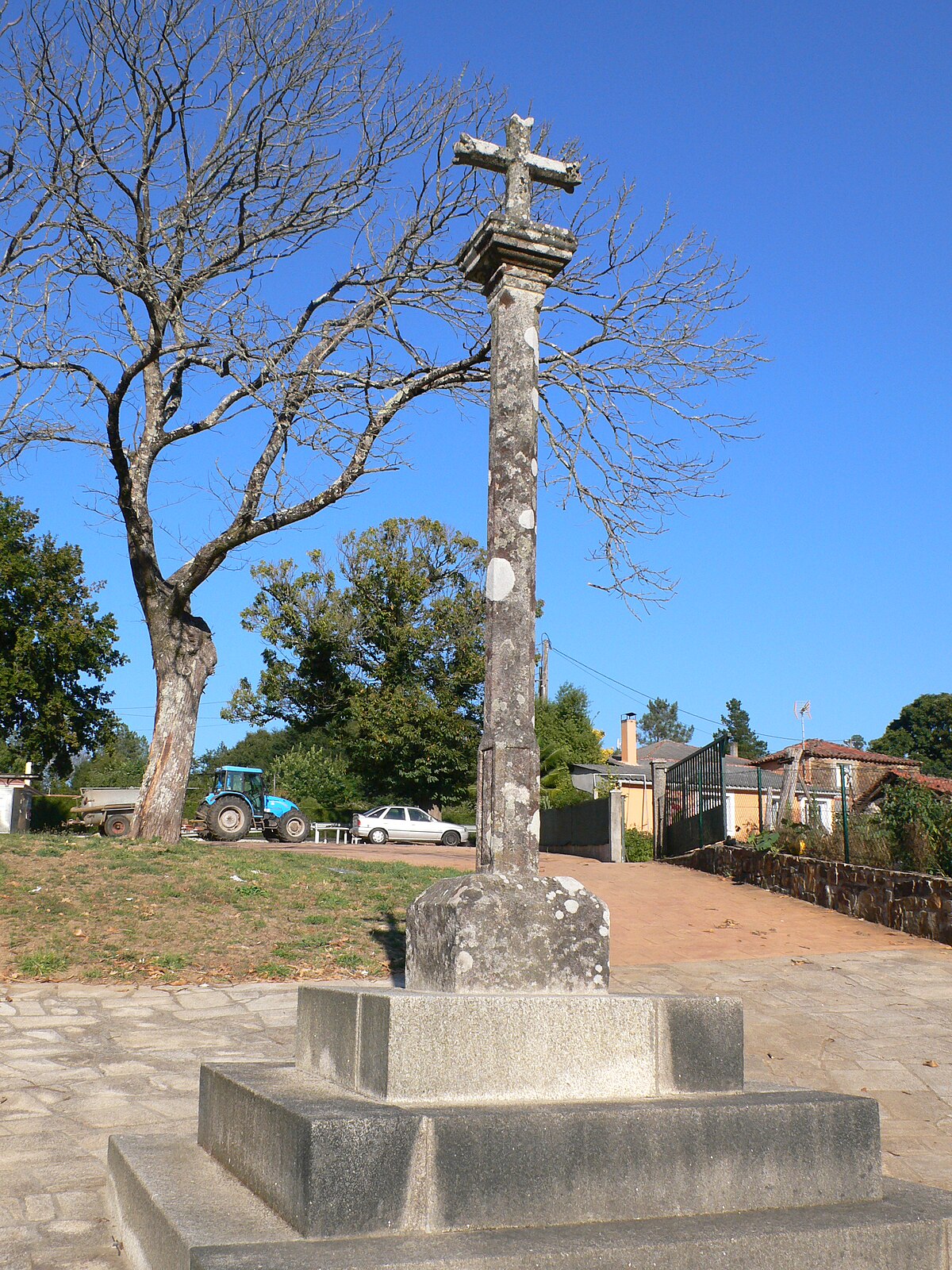
The easiest landmark is the parish church of Santa María, half-way up a slope that gives uninterrupted views back to Arzúa’s tower blocks. Built in the sixteenth century and patched ever since, the church is usually open: push the heavy door, wait for your eyes to adjust, and you’ll find a single nave smelling of wax and damp stone. Outside, a cruceiro – a granite cross on a carved shaft – stands in the grassy atrio; lichen softens the faces of kneeling angels, but the scallop-shell motif is still sharp enough to trace with a finger. Walkers recognise it as a distant cousin of the way-markers on the Camino Francés, which passes 8 km north; no yellow arrows point here, yet the symbolism lingers.

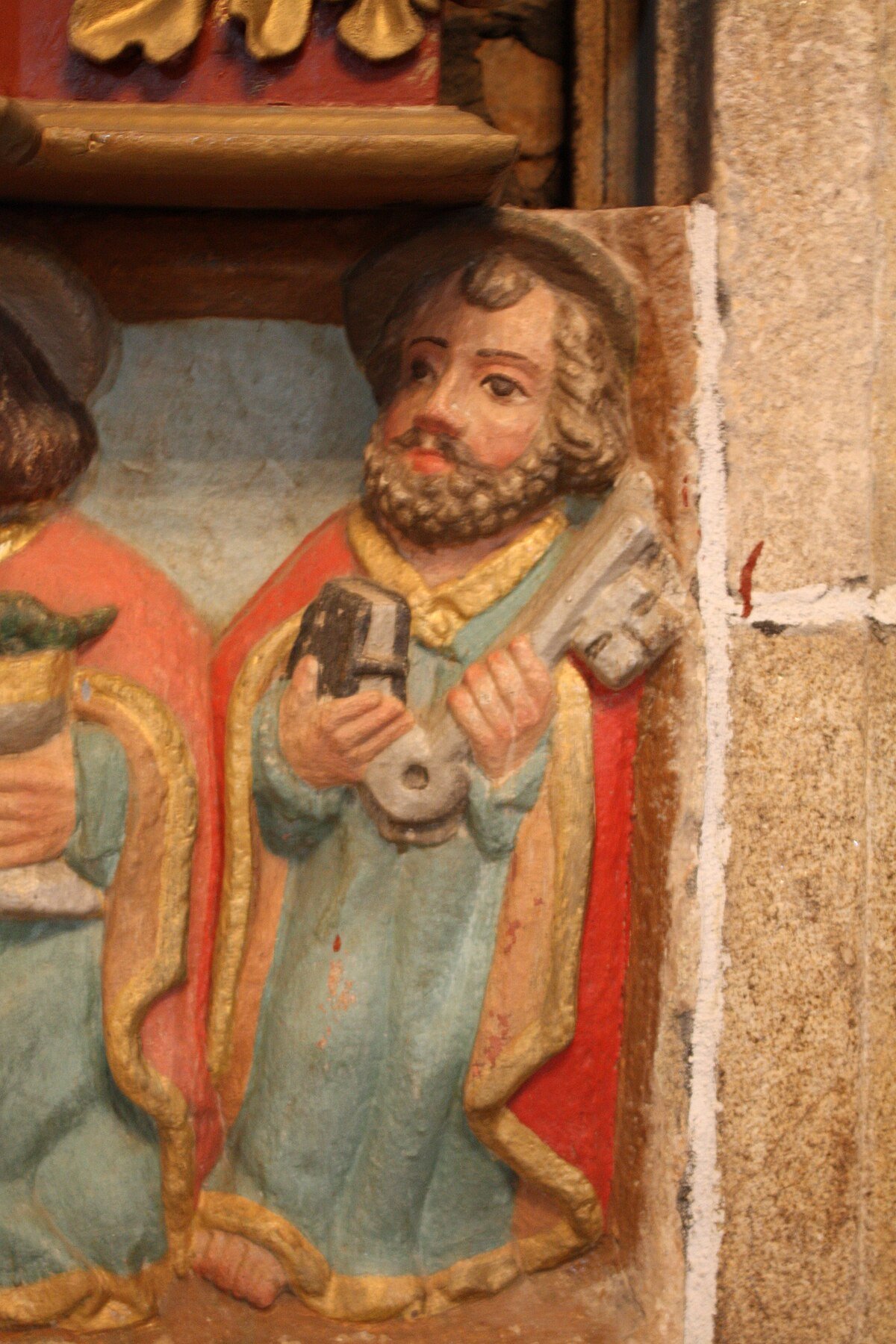
Other churches are scattered along lanes too narrow for two cars to pass. San Xián de Lardeiras keeps its Romanesque doorway, though the key hangs in a farmhouse kitchen two fields away; San Pedro de Touro has a baroque belfry that leans slightly after last winter’s gales. Ask politely – a quick “¿Puede enseñármela?” usually works – and someone will wipe their hands on a tea towel and let you in. Don’t expect guidebooks or entry fees; the light switch is often the only modern addition.

Manors follow the same pattern. Pazo de Trasande, a three-storey granite block with corner turrets, is still home to the family that planted the avenue of camellias. You can photograph the façade from the lane, but the drive is private and the dogs have no sense of humour. Further west, Pazo de Vilaboa has been converted into holiday flats; stone granaries on stilts stand empty, their wooden slats warped into strange angles. They make a good picnic perch if you’ve brought an empanada gallega from Arzúa market – tuna and red pepper is the classic, keeps for two days without refrigeration and costs around €12 for a quarter wheel big enough for lunch.

Boots, mud and the €3 menu del día

Touro is walked or it is missed. A lattice of farm tracks links the parishes, way-marked only by tractor ruts and the occasional faded arrow painted by the mountaineering club. The going is rarely steep, but it is constant: short sharp pulls up pasture, then level stretches where cows watch without bothering to chew. After rain – and rain arrives most afternoons outside July – red clay clings to soles and the stone walls weep. Proper boots with ankle support save ankles and tempers; poles help when the surface turns to slick porridge.

A five-kilometre circuit from Santa María south to Rego da Maza and back takes ninety minutes if you keep moving, two hours if you stop to photograph the stone troughs filled with rainwater that reflect the oaks like black glass. Extend the loop east to the abandoned hamlet of A Gouxa and you’ll add another 250 m of climb through eucalyptus that hums in the wind; from the ridge the motorway to Santiago is a distant silver thread, proof that the twenty-first century is only twenty minutes away.

Sunday lunchtime presents a problem: most kitchens close at 16:00 sharp and reopen only for evening drinks. In Touro itself the bar attached to the petrol station does a €3 menú del día – soup, fried eggs with chips, coffee – served on formica tables beneath a television showing Real Madrid. It isn’t gourmet, but it keeps you going when everything else is shuttered. Book ahead if you want something more elaborate: Casa Luz, a guest-house run by Yolanda and her mother, will lay on roast capon and local cheese for residents who reserve before 11 a.m. They speak enough English to explain the difference between tetilla and San Simón cheeses, but school-day Spanish still earns an approving nod.

When the clouds roll in

Weather forecasts split Galicia into costa and interior for good reason. At 400 m Touro can be wrapped in fog while Santiago enjoys blue sky, or drenched by a frontal system that hasn’t yet reached the coast. Average daytime highs hover around 22 °C in July; by November they’re down to 11 °C and the wind carries the smell of wood smoke. Snow is rare but not impossible – a week of hard frost in January 2021 blackened the hydrangeas and burst outdoor pipes. If you’re renting outside May–October ask whether the heating is oil-fired (gasoil) or electric; the former warms the house faster, the latter is cheaper when the night temperature drops to 2 °C.

Driving times double after heavy rain. The PO-203 from Arzúa twists like a dropped ribbon; pot holes appear overnight and the council patches them with gravel that skitters under tyres. A hire car with decent clearance helps, but don’t trust Google’s estimate of “18 min to next village” – add fifty percent once the surface resembles chocolate fondant. Buses are thinner still: Monbus runs three services on weekdays, two on Saturday, none on Sunday. Miss the 14:05 from Santiago and you’re looking at a €35 taxi, assuming you can persuade the driver to leave the city.

Bringing something back

Touro has no gift shops. If you want souvenirs, buy them in Arzúa before you head inland: a wedge of queso de Arzúa-Ulloa sealed in wax travels well in hand luggage, and a bottle of auga de Galicia – the local spring water – costs 45 cents in the supermarket and tastes of nothing, which is the point. Better still, take home the rhythm: the habit of stopping when a farmer waves you over to watch newborn calves, the realisation that lunch can last until tea-time without the world ending, the quiet that settles when you turn off the engine and hear only distant dogs and the click of cooling metal.

Leave before dusk if you’re staying on the coast; the road back to Santiago is unlit and roe deer graze the verges at dawn and dusk. Or book a room in the village, draw the shutters against the Atlantic drizzle, and wake to the sound of the neighbour’s radio and the soft clank of milk churns. Touro won’t dazzle; it will simply carry on being itself, and for a day or two that may be exactly what you need.

Key Facts

Region
Galicia
District
Arzúa
INE Code
15085
Coast
No
Mountain
No
Season
summer

Livability & Services

Key data for living or remote work

2024
ConnectivityFiber + 5G
HealthcareHospital 14 km away
Housing~5€/m² rent · Affordable
Sources: INE, CNMC, Ministry of Health, AEMET

Planning Your Visit?

Discover more villages in the Arzúa.

View full region →

More villages in Arzúa

Traveler Reviews