Full Article
about Pontevedra
Hide article Read full article
A place that reveals itself slowly
Pontevedra feels a bit like someone who plays things down at first and then casually mentions they have a doctorate in Art History. You walk through the centre and think, “nice, pleasant enough”. Then you turn a corner and there is a medieval church. A few steps later, a museum filled with pieces that look as if they belong in an old treasure hoard. Not far away, a plate of octopus reminds you exactly where you are in Galicia.
Everything sits close together, without much need to check a map. That is part of the rhythm here. The city does not try to impress all at once. It builds up gradually, detail by detail.
The quiet trick of Pontevedra
Tourism in Pontevedra has an unusual rhythm. There is no single grand arrival moment, no instant postcard view that stops you in your tracks. Instead, things unfold as you walk.
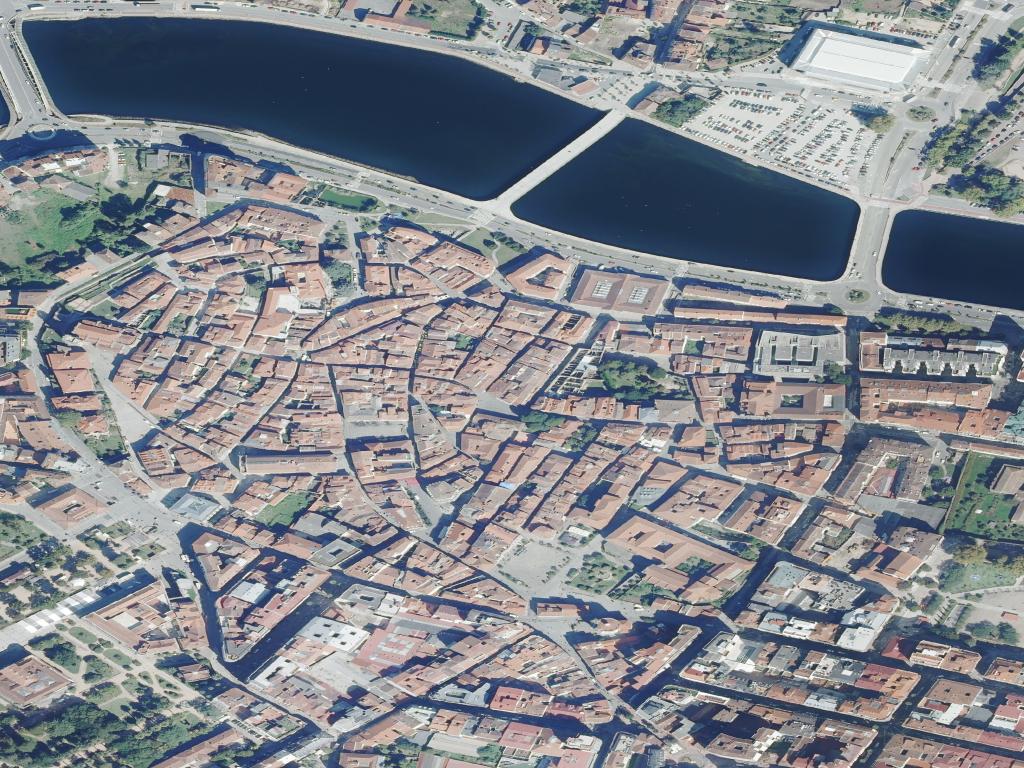
The old town is compact and easy to navigate. Unlike other Galician cities, there are no endless hills to deal with, so you can wander for hours without noticing how much ground you have covered. One minute you are leaving a café, the next you turn a corner and come across the Basílica de Santa María. Walk a little further and the church of San Francisco appears, with the kind of presence that suggests it has been standing there quietly for centuries.
Another detail becomes obvious quite quickly. The centre is designed for walking. Cars feel far less intrusive than in many other cities. You leave the car on the outskirts and then forget about it, moving through streets and squares on foot.
The bridge behind the name
El Burgo is one of those places that helps make sense of the city. The name Pontevedra comes from the Latin “pons vetus”, meaning old bridge. This is the bridge that was there when everything began.
Its origins are medieval, although it has been altered many times since. Even so, it still functions as a natural link between the two sides of the Lérez river. Crossing it takes only a moment, with views of the river and the estuary in the distance. Within minutes, you are back in the centre again.
That sense of closeness defines tourism in Pontevedra. The Museo de Pontevedra is a good example. It is not housed in a single building but spread across several locations in the old town. Visiting it feels almost accidental at times, like moving from one short episode to the next rather than following a strict plan.
Eating in Pontevedra
Food works on a simple principle here: small tables, informal settings, and dishes to share. In many streets in the old town, including Rúa Alta, the routine is straightforward. You step in, order something, share it, and move on.
Pulpo a feira appears on many menus and is usually done well. In Galicia, this dish comes with high expectations by default, and it rarely disappoints.
There are other dishes that can go unnoticed if you are visiting from abroad. Caldo gallego is one of them. It sounds simple until you try a good version. Turnip greens, potatoes, a bit of chorizo, and suddenly it makes sense why some towns dedicate entire food festivals to it. In the Pontevedra area, there has been a festival devoted to this dish for years, usually held towards the end of winter.
The Peregrina and passing pilgrims
The church of A Peregrina is one of the most recognisable buildings in the city centre. Its floor plan is shaped like a scallop shell, a detail that stands out whether you see it on a map or from above.
It sits on one of the routes used by pilgrims walking the Camino Portugués on their way to Santiago de Compostela. Many arrive from Redondela, having completed the previous stage, so the square often has a particular atmosphere. Backpacks rest against walls, and people check their phones to see how far they still have to go before reaching their accommodation.
There is also one of those local stories that circulates quite naturally. Some people in Pontevedra suggest that Christopher Columbus may have had origins here. They point to symbols and surnames linked to Columbus inside the Basílica de Santa María. It is not a settled theory, far from it, but it is the kind of idea that moves through the city as easily as small talk about the weather.
Taking Pontevedra as it is
Is Pontevedra worth visiting? Yes, but it helps to know what kind of place it is.
This is not a city of grand monuments or endless lists of must-see sights. It works best at a slower pace. A long walk through the old town, a few cultural stops, and plenty of time sitting at a terrace watching people go by.
If you enjoy places that feel lived-in, neither too large nor overly focused on tourism, Pontevedra fits comfortably. If your visit coincides with the Fiestas de la Peregrina, usually held in August, the atmosphere shifts. Squares fill with concerts, temporary stalls appear, and the evenings become much livelier.
One or two days are enough to see the main parts without rushing. Then something slightly unexpected happens. When you leave, what stays with you is less a single image and more a feeling of how it was to be there. Pontevedra has a way of lingering in your mind, quietly, without making a fuss.