Full Article
about Campo Lameiro
Hide article Read full article
The morning dew clings to the heather, making the granite slabs slick and dark. You have to kneel, angle your head, and wait for the low light to cast a shadow. A curve emerges, then a spiral, then the antlers of a deer that was etched here when this forest was open pasture. Visiting Campo Lameiro is an exercise in patience, in learning to see what isn’t immediately there.
This isn’t a museum; it’s a hillside where history is written on the floor.
Learning to read the stone
The Parque Arqueológico del Arte Rupestre serves as a primer. Its indoor space provides a necessary glossary: these are deer, these are labyrinths, these are weapon outlines. The real lesson is outside, on its prepared trails, where you practice spotting the carvings on actual rock before you’re left to your own devices in the wider countryside.
That practice is essential. Beyond the park’s fences, the petroglifos sit without fanfare. A signpost by a farm track might point into a copse of pines, where you’ll find a broad, tilted stone half-sunk in the earth. There are no barriers, just the quiet hum of the forest.
Timing is everything. Go at dawn or late afternoon, when the raking sun gives depth to every incision. By midday under a clear sky, the same rock face can look blank and unreadable.
Finding the scattered drawings
The sites have names like Pedra dos Mouros or Laxe dos Carballos. They are scattered across the parish, reached by narrow pistas forestales and footpaths that dip into shallow valleys. You’ll know you’re close when you see a small brown sign with a white arrow.
What surrounds them is often just Galician woodland: granite boulders, pine needles underfoot, the sharp green of gorse. The only sound might be your own footsteps and the wind moving through the branches overhead. Wear shoes that can handle damp earth and slippery stone; the weather here shifts quickly from sun to a fine orballo mist.
The context of the carvings
To understand why the art is here, you have to look up from it. This is a landscape of small aldeas, stone hórreos on raised platforms, and old walls dividing fields. The river Lérez cuts through, and along its banks you might find the moss-covered ruins of a mill, its wheel long gone.
The roads are quiet, winding between hamlets. You’ll pass vegetable gardens and hear the distant clang of a cowbell. This is rural inland Galicia, where life moves at the pace of the seasons, not the tourist calendar.
A practical rhythm for your visit
Don’t try to see everything. A morning spent at the archaeological park, followed by an afternoon seeking out one or two of the nearby open-air sites, is a full day. Any more and it becomes a checklist—too much time in the car, not enough with the stone.
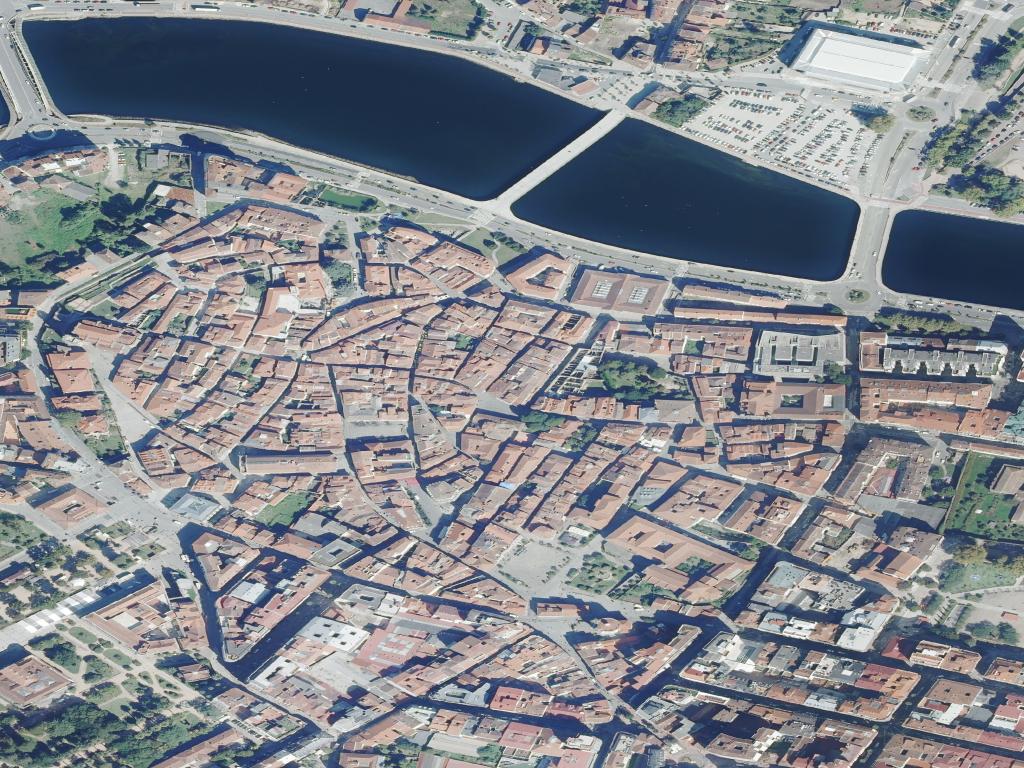
The village itself is functional, a place with a bar and a bakery. You don’t come for the town; you come for the territory it administers.
What most visitors get wrong
The two main errors are matters of light and haste. A bright midday sun flattens the carvings into near-invisibility. And rushing from site to site means you spend your visit navigating rather than seeing.
Watch where you step. Never walk on the engraved surfaces; apart from the damage, the thin film of algae that often coats them is treacherously slick. And always close any gate you open behind you.
The reward for slowing down
Campo Lameiro gives nothing away easily. It asks you to walk, to search, and to kneel in the grass. The moment of discovery—when a confusing set of lines suddenly resolves into a figure—is quiet and personal.
You leave with your eyes tuned differently, noticing the texture of rock, the way light defines an edge. The value lies as much in that attentive silence as it does in the ancient art itself.