Full Article
about Calahorra
Capital of La Rioja Baja with a distinguished Roman past; a commercial and agricultural hub known for its vegetables.
Hide article Read full article
The wind that moves across the plain slips through the streets of Calahorra as if it already knows the place. It is the same wind that dries peppers hung from balconies in autumn and crosses the fertile banks of the Ebro before reaching the town. When it arrives from the fields, it carries the scent of damp soil and recently worked land. In this part of La Rioja, vegetables are central, not just in the kitchen but in everyday life.
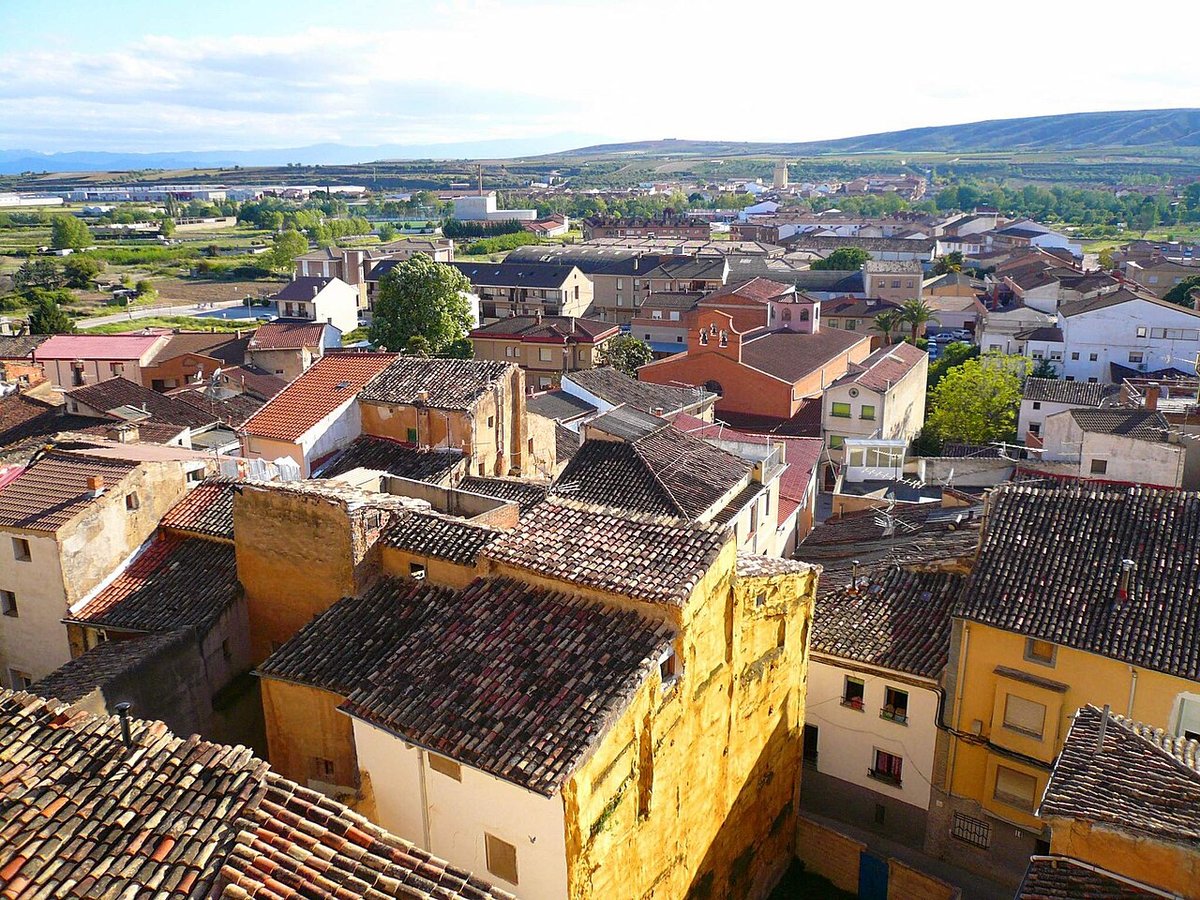
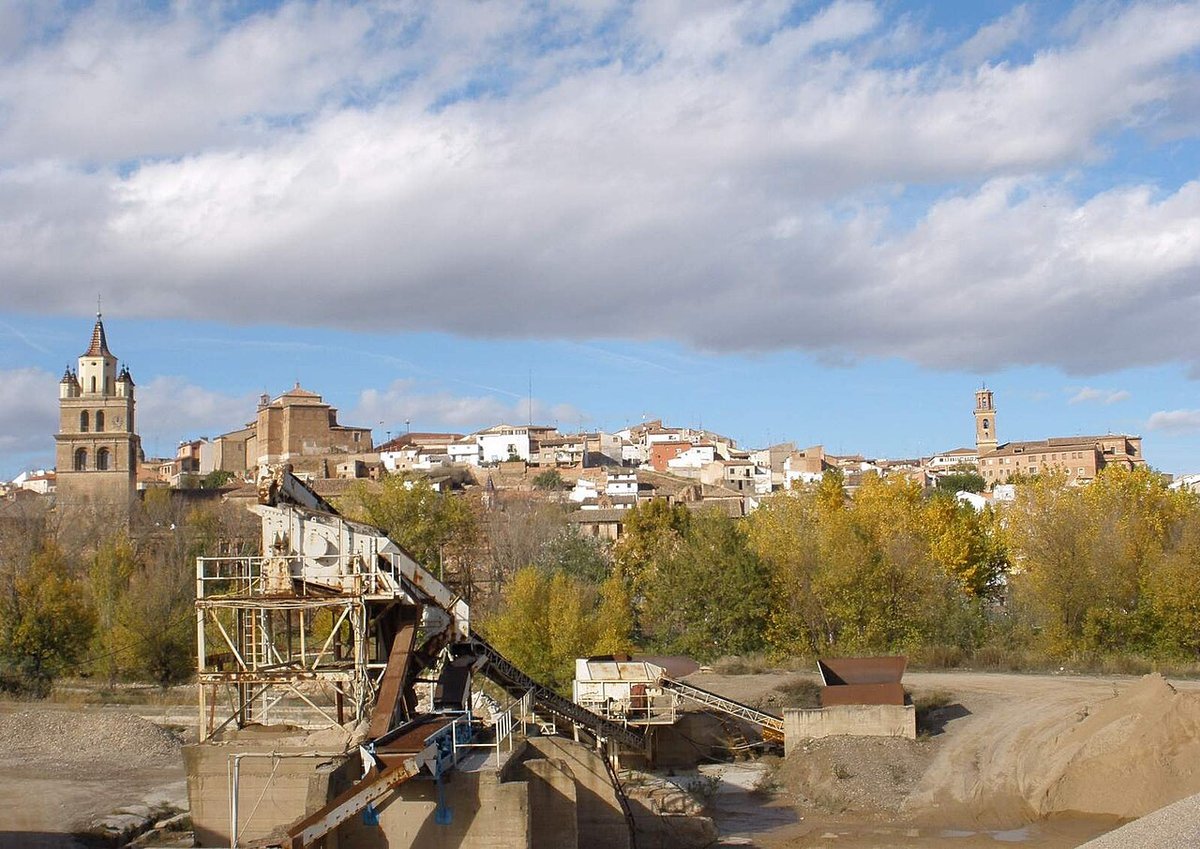
Calahorra sits on a terrace above the Ebro, in La Rioja Baja. Its position at a natural crossroads between the river valley and routes toward the Cidacos and Aragón explains much of its past.
What remains of Roman Calagurris
Before it was Calahorra, this was Calagurris. Latin texts mention it during the civil wars of the 1st century BC, noting a long siege. Very little from that period is visible at street level; most of it lies beneath the modern town. Excavations have uncovered sections of sewer systems, mosaic fragments, and parts of domestic buildings, evidence of a structured settlement with its own forum and walls.
One figure linked to Calagurris is Marco Fabio Quintiliano, a 1st-century AD rhetorician. His Institutio Oratoria became a foundational educational text in the ancient world. His name appears on street signs and a local institute, a quiet nod to a native son whose work was studied for centuries.
A cathedral shaped by its diocese
Calahorra retained importance after Rome as an episcopal seat. The bishopric, documented from late antiquity, shaped the town's religious role for centuries.
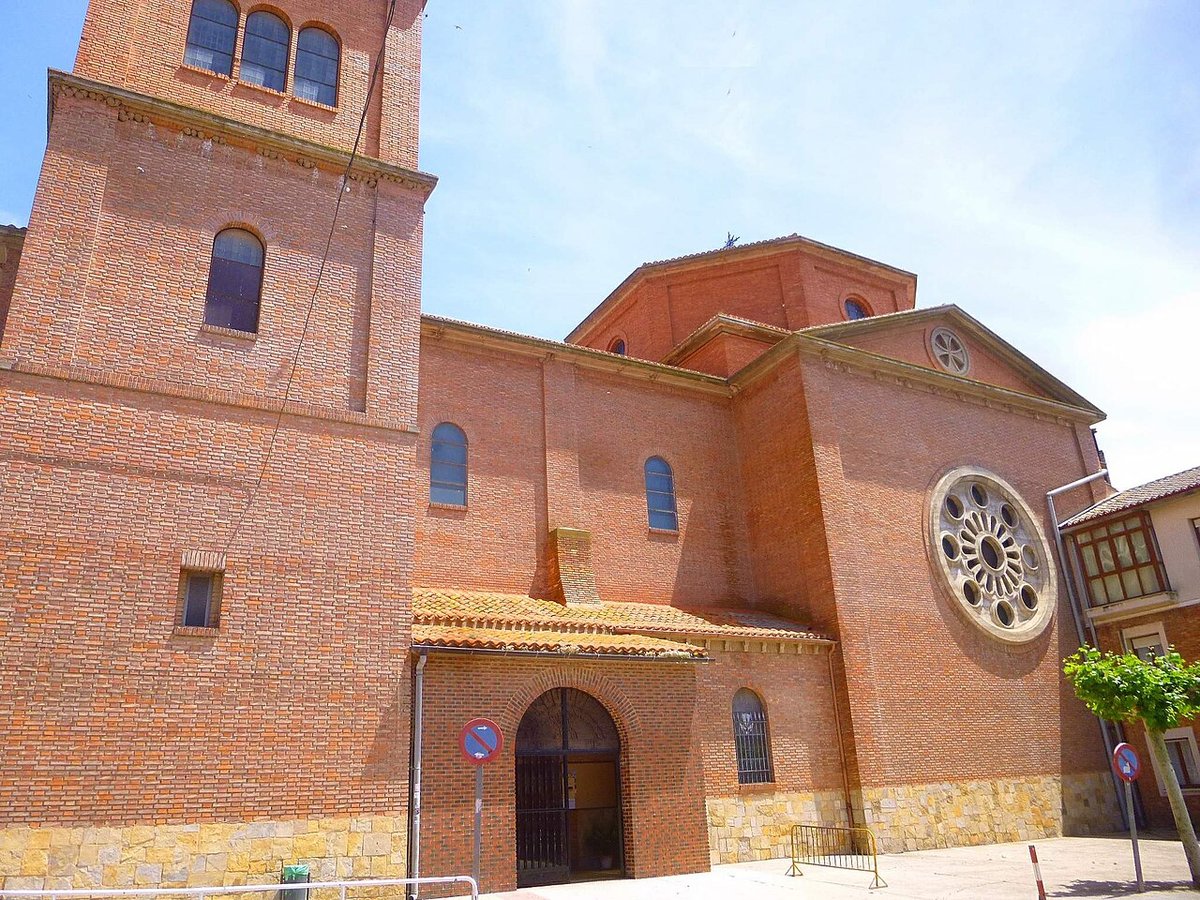
The cathedral of Santa María stands on what is considered the centre of the old town. The building reflects several phases of construction from the late Middle Ages onward. It doesn't have the scale of northern Spain's great cathedrals, but its bulk defines the local skyline.
Inside, the continuity of a long-established diocese is evident in its chapels and altarpieces. Local devotion focuses on San Emeterio and San Celedonio, martyrs from the city's early Christian traditions and its patron saints.
Piecing together the past in museums
For a clearer picture of Roman life here, the Museo de la Romanización brings together archaeological finds from the area. Fragmentary mosaics, ceramics, and coins help piece together Calagurris's place within the network of towns along the Ebro valley. It wasn't a capital, but it held a recognised position.
In parts of town, you can still see sections of ancient wall, often reused in later structures. Documented stretches of Roman sewer were adapted and functioned for drainage long after the empire fell.
A town defined by its produce
The local identity is tied to the surrounding farmland. The fertile plain of the Ebro has been cultivated for centuries using traditional irrigation; medieval documents already mention water channels for the fields.
The reputation of local vegetables is long established. Artichokes, asparagus, peppers, and borraja follow the agricultural calendar. The dish that captures this is menestra, a combination of seasonal vegetables cooked together, each prepared to retain its character.
It makes sense, then, that there is a Museo de la Verdura. It’s less a novelty and more an explanation of how produce is grown and how it shapes the local kitchen.
Walking the town and its surroundings
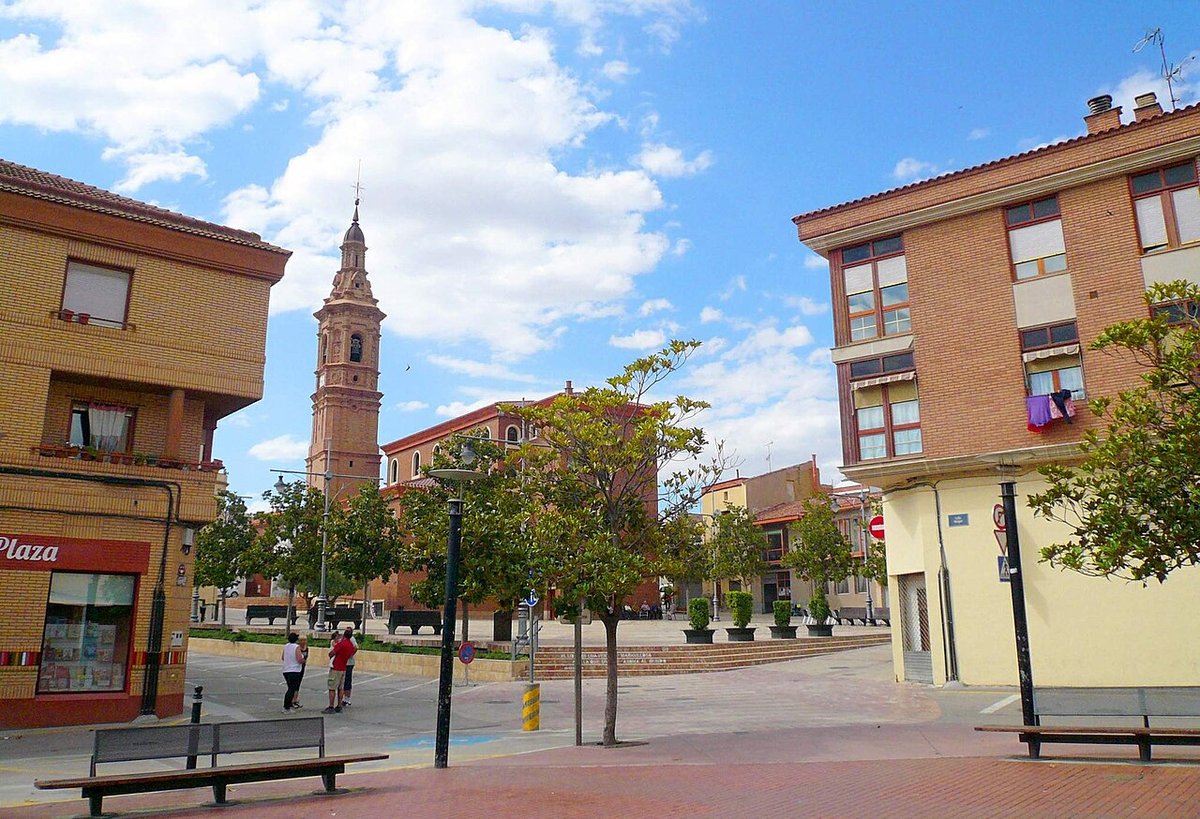
The historic centre is compact enough to explore on foot. From the cathedral area, a walk down toward the Ebro reveals the town's relationship with the river plain.
To the south, the terrain rises and becomes drier toward the Cidacos valley. To the north, the flat agricultural land of the Ebro dominates. In several locations across the Rioja Baja, there are sites with dinosaur footprints, fossilised tracks that point to a vastly different landscape millions of years ago. Some are signposted and include interpretive panels.
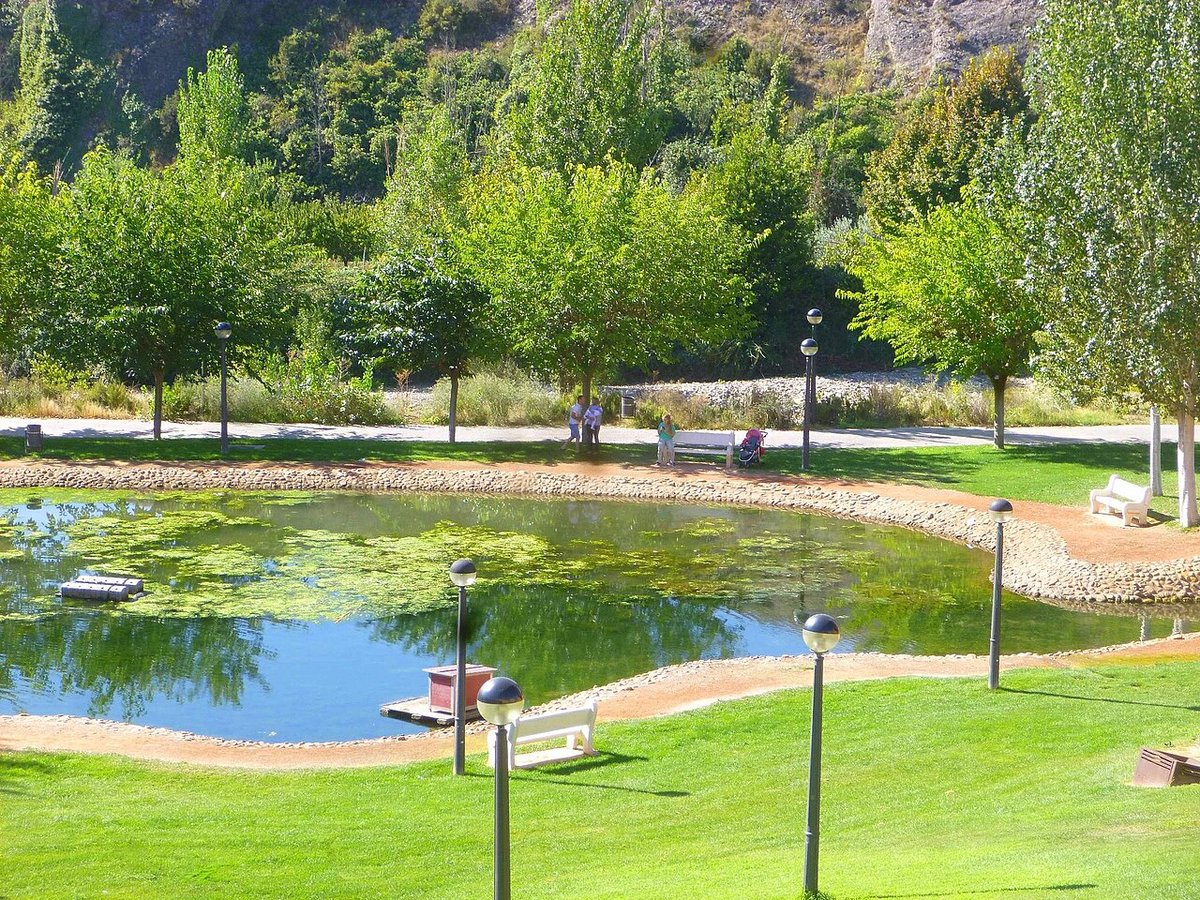
There are also paths that follow the course of the Ebro, running alongside orchards and poplar groves. These quiet routes show how the agricultural landscape is organised.
Getting there and around
Calahorra lies along the Ebro valley, between Logroño and Zaragoza. Its location has long made it a place of passage. The town is served by regular road connections; if arriving by car, note that parking in the very centre can be tight, especially on market days. The terrain is largely flat, making for easy walking.