Full Article
about Autol
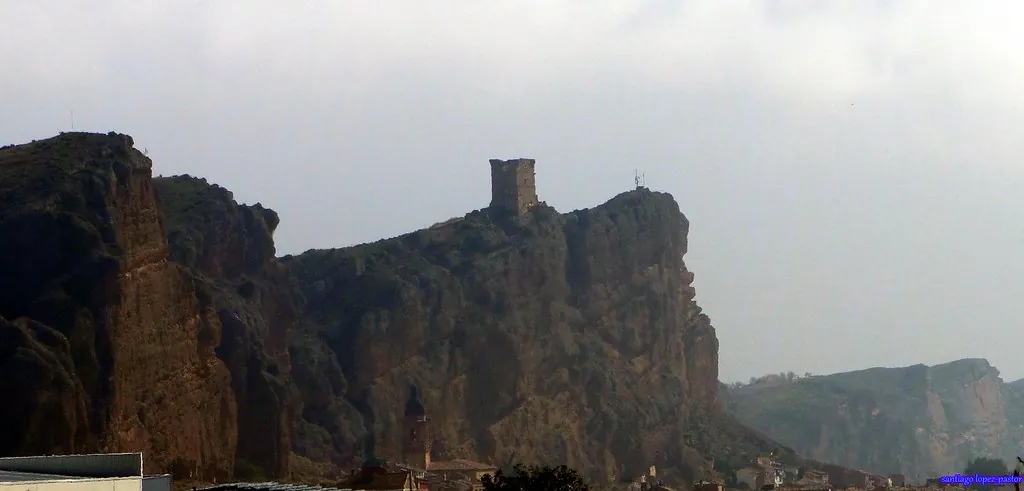
Known for the rock formations of Picuezo and Picueza; a major mushroom and champignon production center.
Hide article Read full article
A town shaped by its scent
Autol smells of mushrooms. Not in the romantic sense of wandering through woodland with a basket, but something more industrial. On the road down from Logroño, just as the Cidacos completes its near loop, the air shifts. It turns earthy and damp, like stepping into a greenhouse after watering. The source is easy to spot. Growing warehouses spread across parts of the fertile plain, forming what looks like a low, white-plastic city.
This is where tourism in Autol begins to make sense. The town did not set out to showcase a signature product. It happened the other way round. Mushroom cultivation became the economic engine of a place that, during much of the 19th century, lost administrative importance and had to reinvent itself, as many settlements in the valley did.
The bend that defines everything
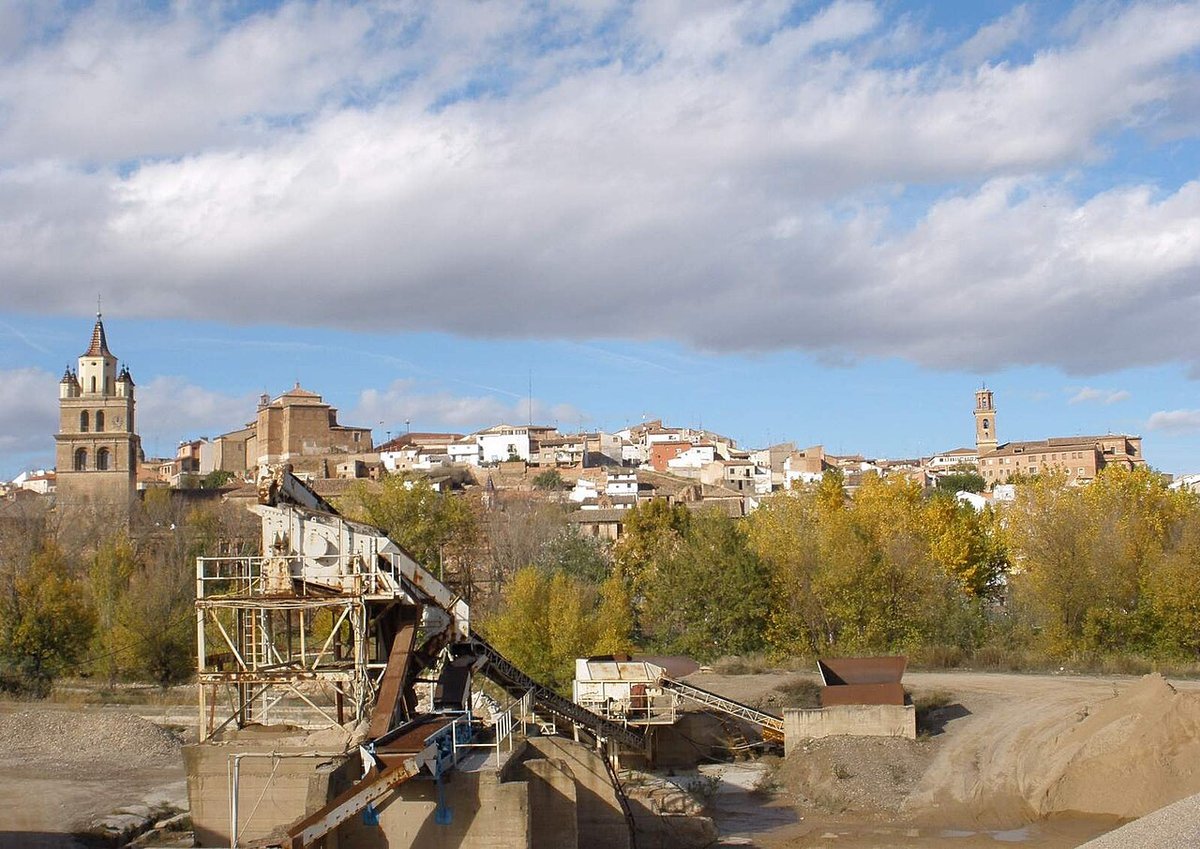
Climb towards the area where the old castle once stood. What remains today is more of a high point with wide views, but it explains the geography straight away. The Cidacos draws a tight curve around the town, almost enclosing it before continuing towards the Ebro.
It is the sort of landscape that fascinates a geographer, while a farmer keeps an eye on the risk of flooding. The river feeds the fertile plots of the vega, where vegetables are still grown. Artichokes are a common sight, along with other produce that later appears on local tables.
Up here stands the church of San Adrián and Santa Natalia, visible from most parts of Autol. Inside, there is a Romanesque carving of the Virgin. According to local tradition, it is only brought out at specific moments in the calendar, which gives it a certain quiet significance for the town.
When mushrooms take centre stage
Autol without mushrooms would feel incomplete. Their cultivation, largely carried out in enclosed facilities around the town, has shaped the local economy for decades.
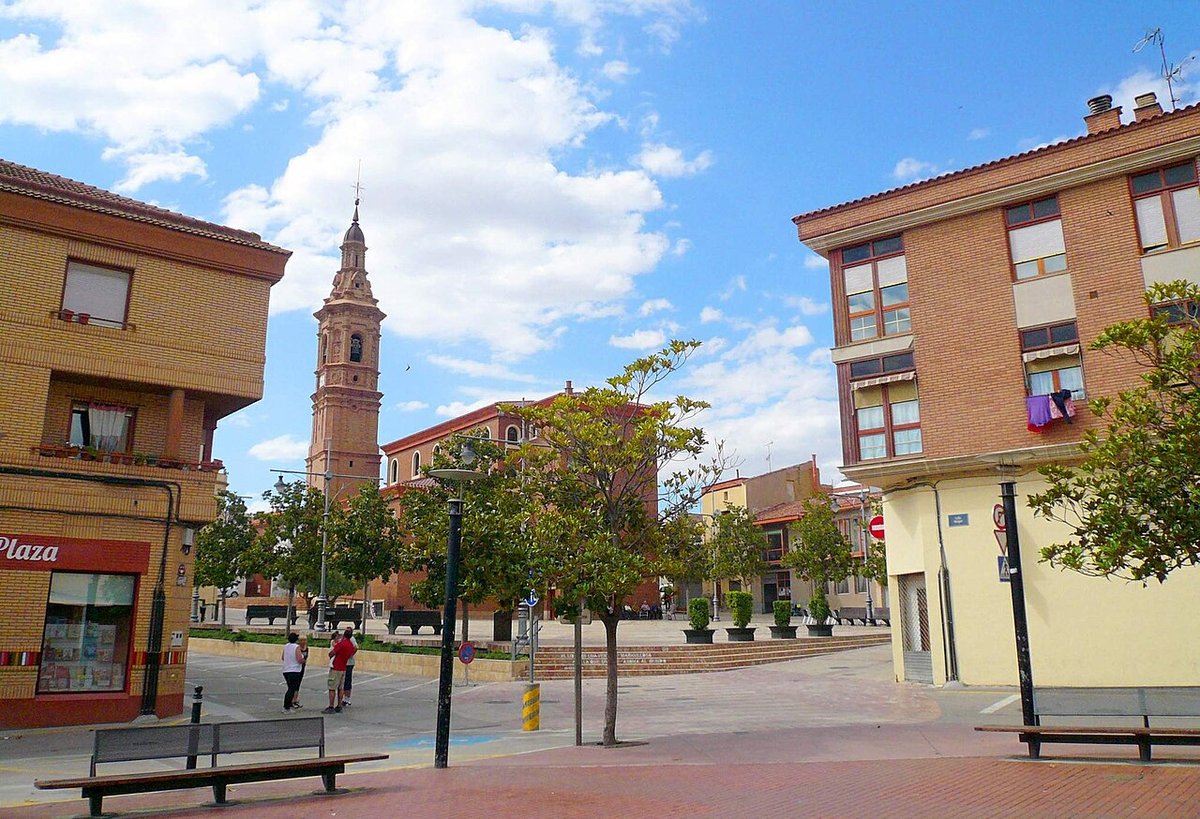
Towards the end of April, Autol holds a fair dedicated to this product. The main square and surrounding streets fill with stalls and tastings, and the atmosphere becomes livelier than usual. It is one of those weekends when the town draws more visitors and everyday routines shift slightly.
Sit down for a meal and mushrooms are likely to appear in some form. They might be grilled, cooked in sauce or served with ham. Each household has its own way of preparing them. Locals often speak of the so called champiñón de Autol, known for a broader cap and a firm texture once cooked.
Walks beyond the obvious
Many visitors follow a similar quick route: the square, the church, a photo with El Picuezo and La Picueza, the two rock monoliths that rise on the outskirts, and then back to the car.
There is more to see with a bit of time on foot.
The path leading up to the monoliths is short and manageable. Before long, the view opens out across the full bend of the Cidacos and the cultivated fields of the valley. From this vantage point, the logic of the town’s location becomes clear. The river sets firm boundaries that have guided its growth.
A marked walking route also passes through this area, linking Autol with Enciso, known for its sites of dinosaur footprints, referred to locally as icnitas. This is a longer walk, the kind that benefits from a look at the map beforehand and a slower pace.
Eating in Autol without overthinking it
Recommending a specific place to eat would be guesswork, and these things change over time anyway.
What remains consistent in Autol, as in many agricultural towns, is the presence of generous set midday meals. A simple rule often works. If there are workers’ cars parked outside, it is usually a good sign.
The most common dish is easy to find. Mushrooms, either stewed or grilled, often come with a bit of ham and bread to soak up the juices. When the season allows, menestra appears as well, a vegetable stew from the vega in which artichokes often play a leading role.
There are also more traditional recipes that tend to surface during festivals or family gatherings. One example is gazpacho autoleño. Despite the name, it has little in common with the cold Andalusian soup. It is a thicker, warmer dish made with bread and vegetables.
How long to stay
Autol is not a place that demands several days.
It works well as a stop along the Cidacos valley. In a morning, it is possible to walk through the centre, head up towards the monoliths and sit down for a relaxed meal before continuing on towards nearby towns such as Calahorra. If the visit coincides with a fair or a busier weekend in the square, time tends to stretch naturally.
This is a town that reveals itself quickly, but not superficially. A short stop can be enough to understand why so much of local life revolves around a single product, and how that product has shaped both the landscape and the rhythm of daily life.