Full Article
about Ezcaray
Premier mountain resort town; known for its ski station.
Hide article Read full article
The air in the plaza smells of damp earth and woodsmoke, the morning chill still clinging to stone. It’s a Sunday in November, just past ten, and the few people out are locals, holding cups of coffee that steam in the cold light.
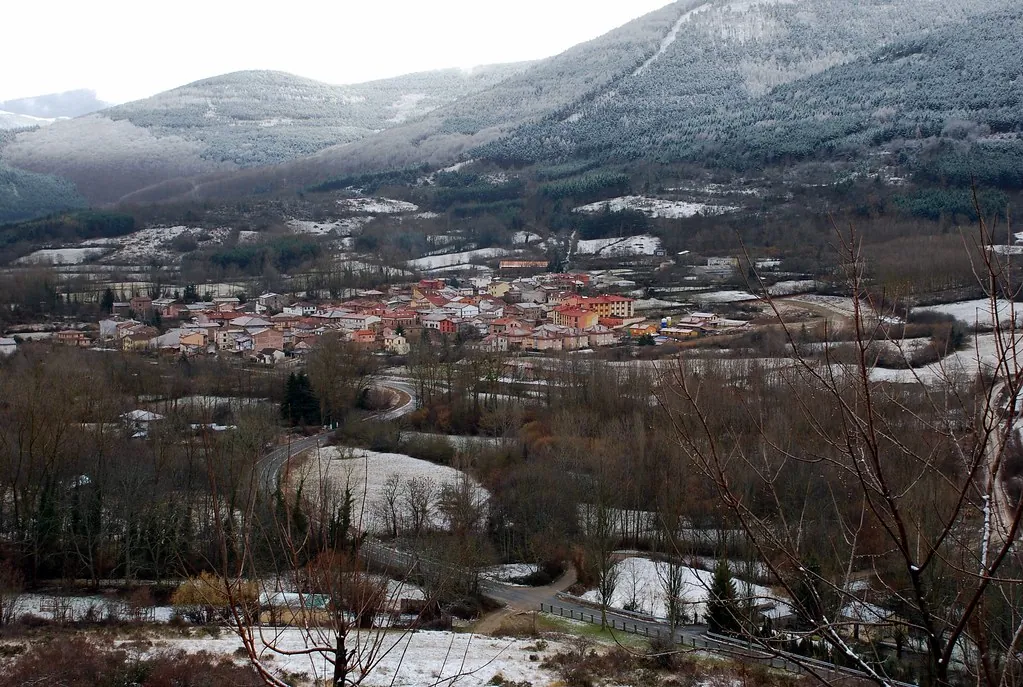
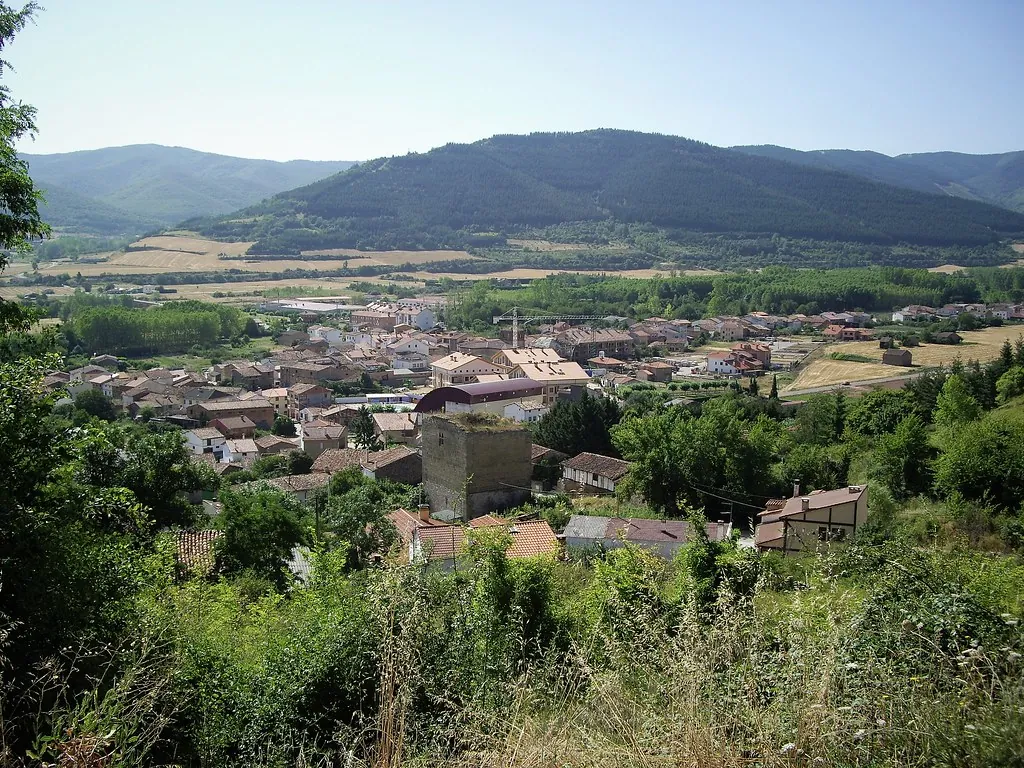
Ezcaray sits at a frontier, but not the medieval one of kingdoms. This is where the flat vineyards stop and the Sierra de la Demanda begins. At 800 metres, the village faces the mountains. In winter, the ski station at Valdezcaray pulls people uphill; in autumn, the beech woods fill with people carrying wicker baskets and Opinel knives. For those months, the population of just over two thousand swells.
Following the sound of water
You hear the Oja river before you see it—a constant, low rush under bridges and behind garden walls. It gives the region its name and for centuries it set the pace here, powering the looms of a small textile industry. Some of those old factory buildings still stand along its banks.
One of the simplest walks follows it out of town on the vía verde, the old railway line to Haro. The path is wide and flat, popular with cyclists. On one side are water meadows; on the other, stands of beech and pine that turn fast and bright when autumn arrives. Within the town, the Puente de Canto is a good place to pause and watch the water cut its course through stone.
The season of baskets and gills
After the first steady rains in September, talk in Ezcaray turns to mushrooms. The forests on the hillsides draw weekend crowds searching for níscalos and boletus. The town often sets up identification displays in season, with a local expert pointing out the colour of gills or the shape of a stem—a practical lesson before you head into the woods.
Kitchens change their scent accordingly: sautéed mushrooms, slow stews. The chuletón, a thick cut of local beef, appears more often on grills. By late afternoon, smoke from chimneys mixes with the smell of cooking meat as people return from the trails around Valdezcaray, their boots caked in dark soil.
When to walk without company
There’s a quiet moment in late winter: the festival of San Benito. It’s an old tradition where they hand out broad beans in the square—a simple act that feels far removed from the energy of summer.
August transforms the place. Concerts fill the plaza, second homes are occupied, and finding a place to park near the centre requires time and patience. If you want to hear the river clearly or walk without passing many people, come on a weekday, or better yet, in May or October.
The path to the hermitage
From the back of town, a track leads up to the hermitage of la Virgen de Allende. It takes about forty minutes on foot. The first part passes modern houses; then you enter a pine wood where the scent of resin hangs thick on warm days.
Inside the small chapel, a set of paintings surprises most visitors: angels carrying arquebuses. This unusual imagery links to some colonial churches in the Americas and feels entirely unexpected here.
From outside, the view frames the Oja valley. Ezcaray lies below, compact, its dark roofs split by the river’s silver thread. At dusk, as cool air slides down from the sierra, plumes of chimney smoke rise straight up between the houses. It’s a time when things slow down again, returning to a rhythm set by mountains and water.