Full Article
about Ojacastro
Livestock village in the Oja valley; it preserves a unique Romanesque church and ancient charters.
Hide article Read full article
Some villages feel designed for a quick stop. You park, have a wander, take a photo and move on. Ojacastro, in the Oja Valley in La Rioja, works differently. It is more like dropping by someone’s home and ending up staying longer than planned. Not because there are countless sights to tick off, but because everything moves at a slower pace.
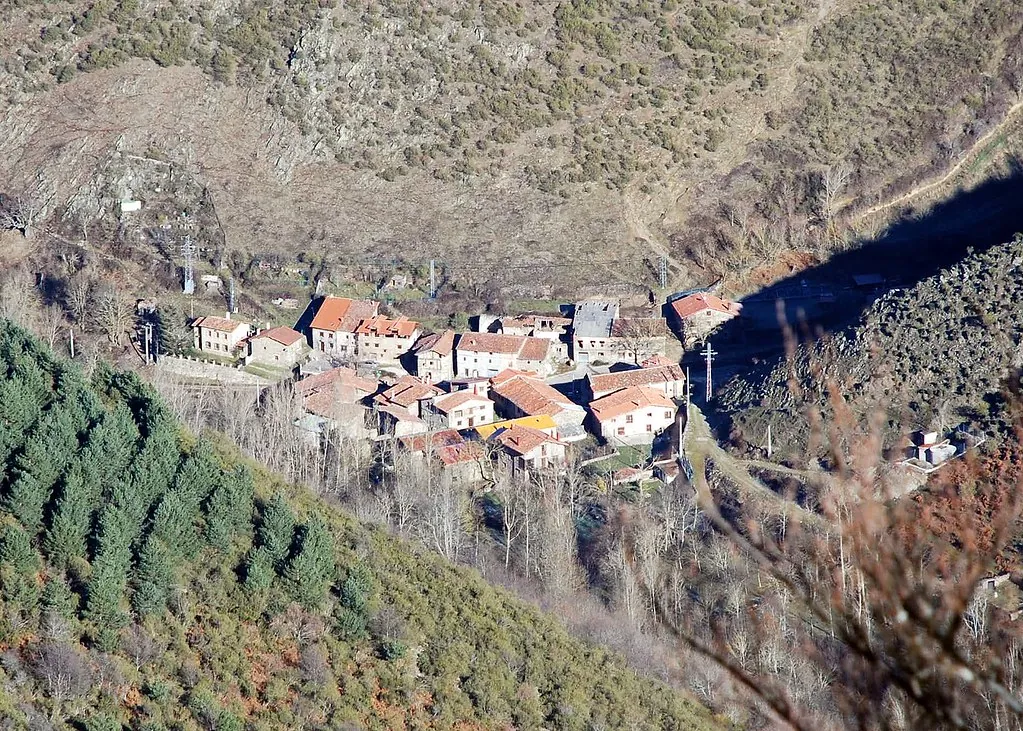
Fewer than two hundred people live here, and that shapes the atmosphere. The village sits at around 800 metres above sea level, with the feel of a Riojan mountain valley: stone houses, dark wooden balconies and the River Oja setting the rhythm of daily life. There are no grand monuments or endless attractions. Instead, Ojacastro is the sort of place where a look around is enough to understand how people have lived here for centuries.
Streets That Still Feel Lived In
The village centre is compact and easy to explore on foot. Quiet streets, well-kept stone houses and small details that only appear when you slow down: an old doorway, a bench pressed against a sunny wall, logs stacked neatly in readiness for winter.
The church of San Esteban marks one of the central points of Ojacastro. If it happens to be open, it is worth stepping inside briefly. A few minutes are enough to notice the altarpieces and to sense how the church remains a reference point for local residents.
Just a short walk away stands the medieval bridge over the River Oja. It is neither vast nor dramatic, yet it has the quiet appeal of old bridges that have continued doing their job for centuries. From here there are good views of the village as a whole and the surrounding valley. As evening light drops along the hillside, the scene takes on a different character.
Easy Walks Along the River Oja
One of the advantages of Ojacastro is how quickly the countryside begins. Step beyond the last houses and you are already among fields, trees and the riverbank.
Paths follow the valley floor or wind into areas of oak and beech woodland. None of them are especially technical. They are the kind of routes where the focus is on the landscape rather than the clock.
In spring the River Oja usually runs high, and the valley turns a deep green. Autumn brings a noticeable shift as the forest changes colour, transforming the surroundings. At that time of year even a simple stroll feels more engaging.
There is no need for complex planning. The appeal lies in heading out, seeing where a track leads and enjoying the sense of space that defines this part of La Rioja.
What to Do, Without Overthinking It
Ojacastro does not demand ambitious plans. The usual pattern is simple: walk for a while, wander down to the river, sit for a moment, then carry on.
Cyclists often find good tracks in the area, particularly if they already have a route mapped out through the valley. Those who simply enjoy exploring villages can spend time wandering the streets, studying the houses and getting a feel for how daily life works here.
That can be more than enough.
Traditions That Still Belong to the Village
Local traditions continue to shape the year. The festivities of San Esteban, normally held in summer, retain the feel of a community celebration, organised with residents in mind rather than visitors.
In September, the grape harvest, known in Spain as the vendimia, sets the tone across the region. Although the largest Rioja vineyards lie further south, the valley still reflects that agricultural rhythm at the end of the season. It is a time when work in the fields becomes part of the wider atmosphere.
Holy Week is also observed with simple celebrations, without large-scale displays. The focus remains local and understated.
A Short Visit: What You Can See in a Couple of Hours
With two hours in Ojacastro, there is no need to rush.
Start along the main street, unhurried. Look up at the façades, the wooden balconies and the details in the stonework. Continue towards the church of San Esteban and from there head down to the medieval bridge.
Cross the bridge, or pause beside the River Oja for a while. That short walk already offers a clear sense of the place.
There is little point turning it into a photo marathon. The atmosphere reveals itself more easily when you slow down.
Common Mistakes to Avoid
One of the most frequent misunderstandings is arriving with the mindset of visiting a “tourist village”. Ojacastro is not staged. There are parked cars, vegetable plots, chickens wandering about and neighbours coming and going from their homes.
If you only circle the village centre, the experience may feel limited. Much of the interest lies in the paths that lead out of the village and in the wider landscape of the valley.
A practical note for summer: the sun can be strong in the middle of the day. Visiting early in the morning or later in the afternoon tends to be more comfortable.
When to Come
From spring to autumn is generally the most enjoyable period for walking in the area. The weather is more inviting, and the valley shifts noticeably with each season.
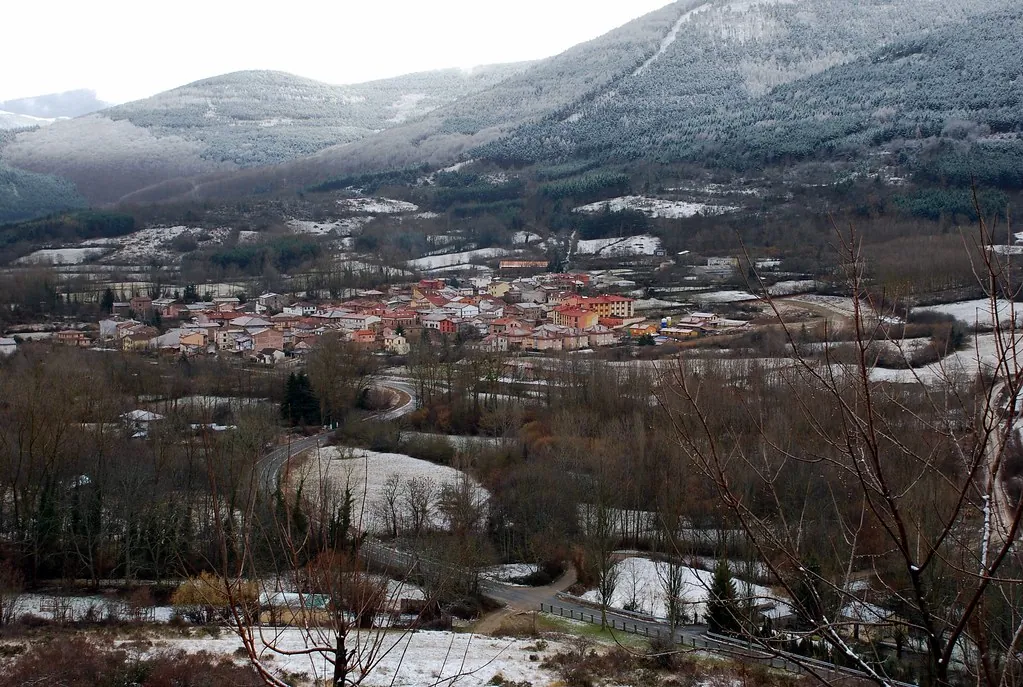
Autumn brings lower light and the changing colours of the woodland, which naturally enhance photographs. Winter, by contrast, often means cold temperatures and mist settling over the valley. It is not the easiest time for exploring, yet it has its own sense of stillness.
What the Photos Do Not Show
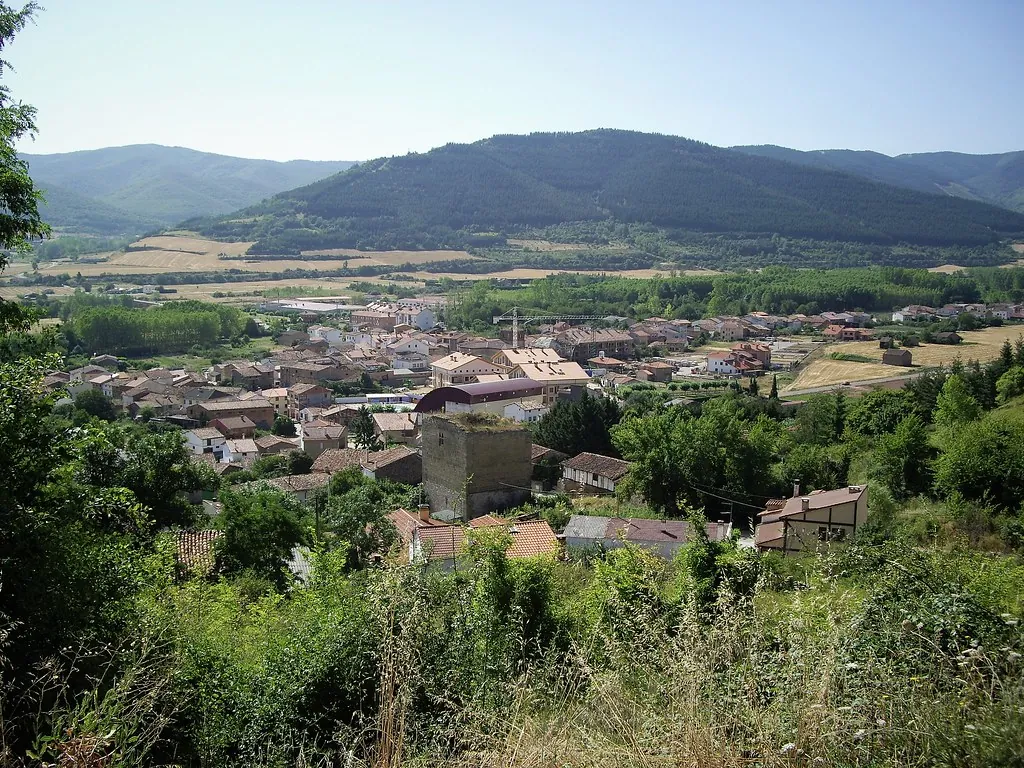
If the aim is to capture a classic image of an old village, Ojacastro provides it: the bridge, the stone houses, the river.
But the village does not revolve around that image. It continues to function as a working community. Tractors pass through, firewood is stacked for the colder months, small repairs are carried out on houses, and neighbours greet one another by name.
That, in the end, forms part of its appeal. Ojacastro is not preserved behind glass. It is a village in the Oja Valley that still lives at its own pace, and invites visitors to slow down long enough to notice.